
The Planet That Lied About Its Own Spin
A cautionary tale for exoplanet science: what looks like a planet's day length may just be its weather, so 'spin' measurements of far-off worlds need a skeptical second look.
Build a Venus Like →Every week we spotlight the most intriguing world the community has forged. Think you can build something rarer, stranger, more alive? Create your planet — the most unique one could be featured next.


Create a free profile and keep every world you build. Choose which stay private — shared only by link — and which go public in the gallery.
Arrange your planets into whole star systems — set their orbits around a shared sun, with real orbital physics deciding what fits, and watch the system come alive.
Every public system joins one growing galaxy to explore and remix — a universe built entirely by the community, one world at a time.
Choose a composition, a star, and an orbit.
See your world take shape over billions of years.
Name it, save it, and share a page anyone can open.
The Planet That Lied About Its Own Spin
A cautionary tale for exoplanet science: what looks like a planet's day length may just be its weather, so 'spin' measurements of far-off worlds need a skeptical second look.
Build a Venus Like →The Ingredients for Planets Turned Up Astonishingly Early
If the building blocks of planets were ready in the young universe, rocky worlds, and any chance for life on them, may have a much deeper history than anyone assumed.
Build a Rocky →Proposed 900-telescope array could detect an Earth-like exoplanet's atmosphere in a single transit
Reading an Earth-like world's air in one well-timed pass would turn the search for signs of life from a decades-long waiting game into a single achievable observation.
Build an Earth Like →TESS discovers a rare brown dwarf orbiting a massive, aging star
The telescope built to find exoplanets is also charting the fuzzy border between big planets and small stars, and how each one takes shape.
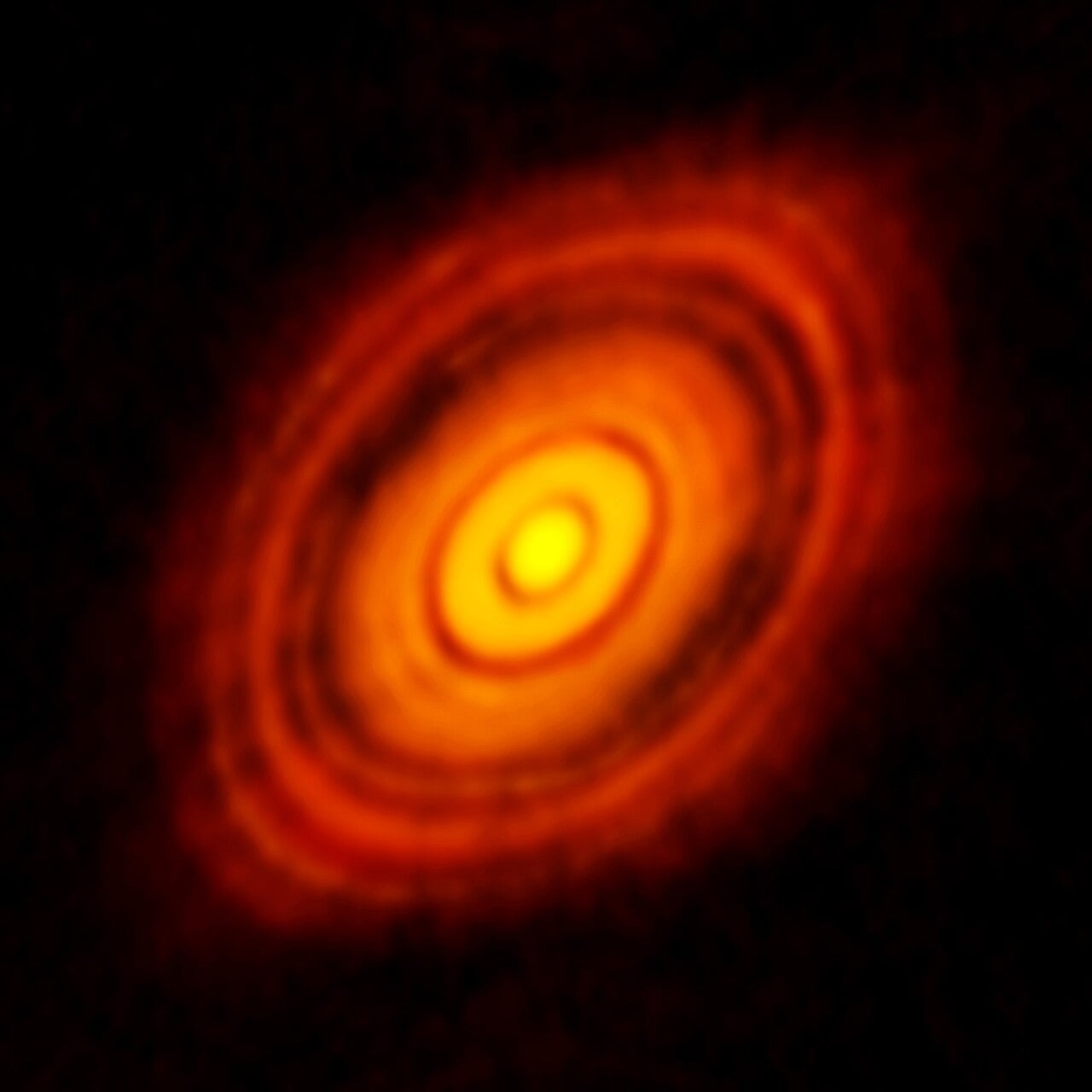
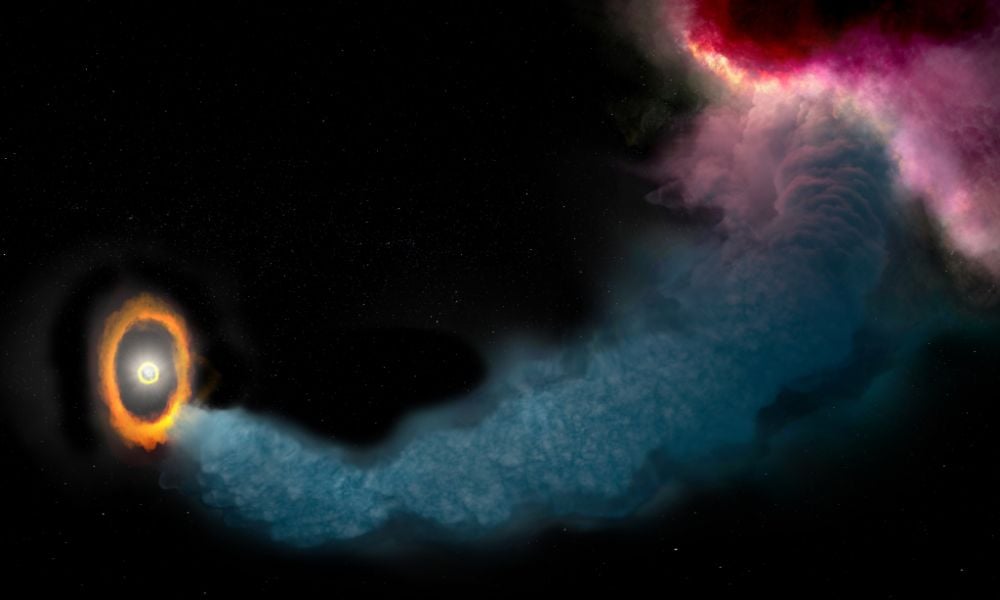
A Massive Stream of Gas Tilted This Planet-Forming Disk
Catching a disk being knocked off-kilter shows how the tilted, mismatched orbits seen across many planetary systems can be born in the first place.
The sensitivity of TESS to transiting planets in TOIs with close-in stellar companions
If nearby companion stars quietly mask Earth-sized planets, our tally of small worlds is undercounted — this study helps correct the census that planet-hunting surveys are building.
JWST finds no escaping helium at LHS 1140 b, sharpening the case for a water world
Pinning down what LHS 1140 b's atmosphere is (or isn't) made of is a key step toward learning whether this nearby super-Earth is a rocky or water-rich world.
Build a Water World →Nearby double-star systems could hold stable, habitable-zone planets
Most stars come in pairs, so showing that some nearby binaries can safely host habitable-zone planets widens where we might look for another Earth.
Build an Earth Like →A short guide for a first visit. It covers what you can build, what every button on the scene does, and what happens to a world once you save it. No prior experience with space or 3D software needed.
Elements, star, orbit and moons — and what the six-second formation is showing you.
The globe, the orrery, the mountains, the magnet and the camera, one by one.
You get a link without signing in. Here is what an account changes.
Put your worlds around one star, and let orbital physics decide what fits.