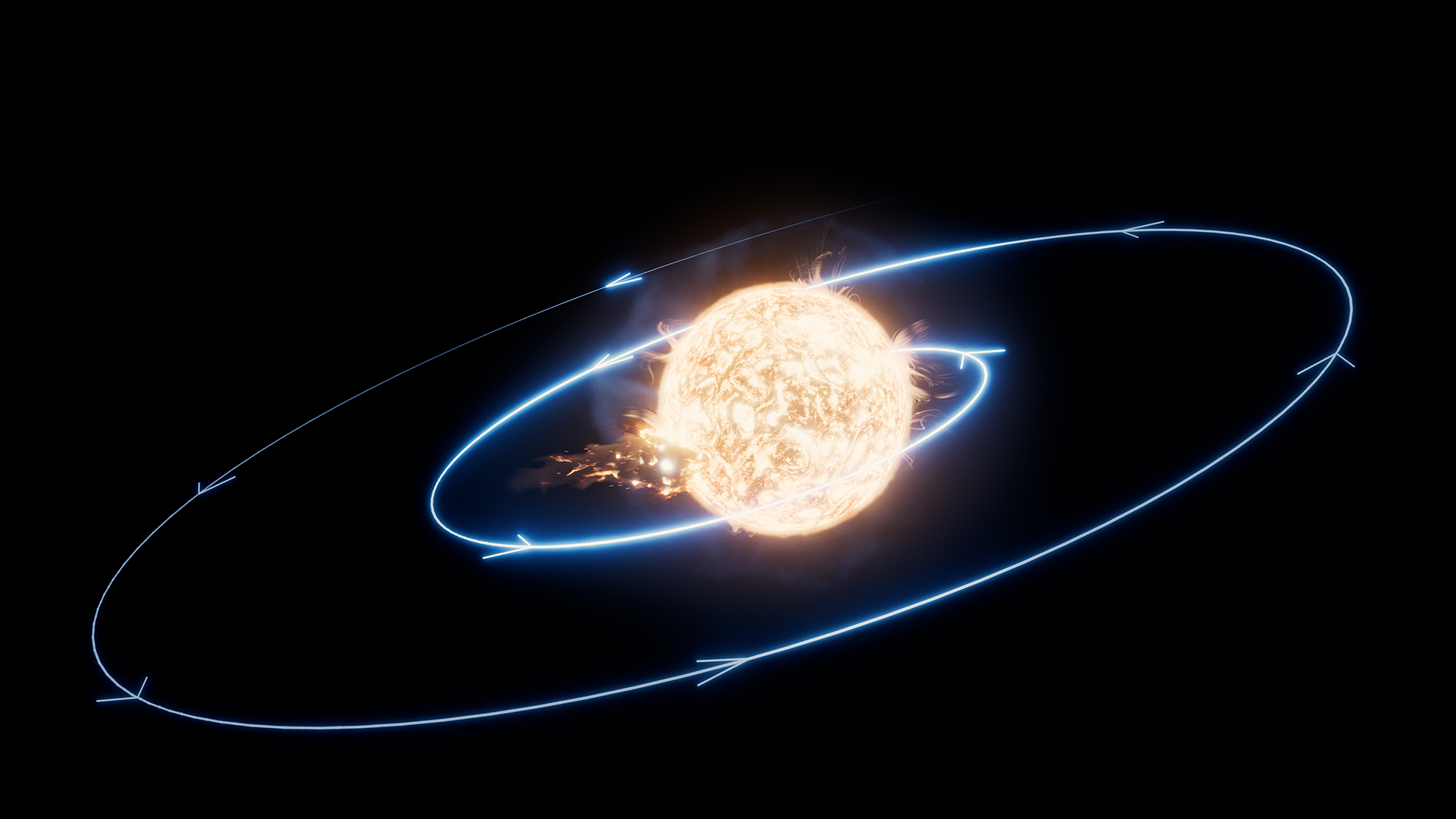
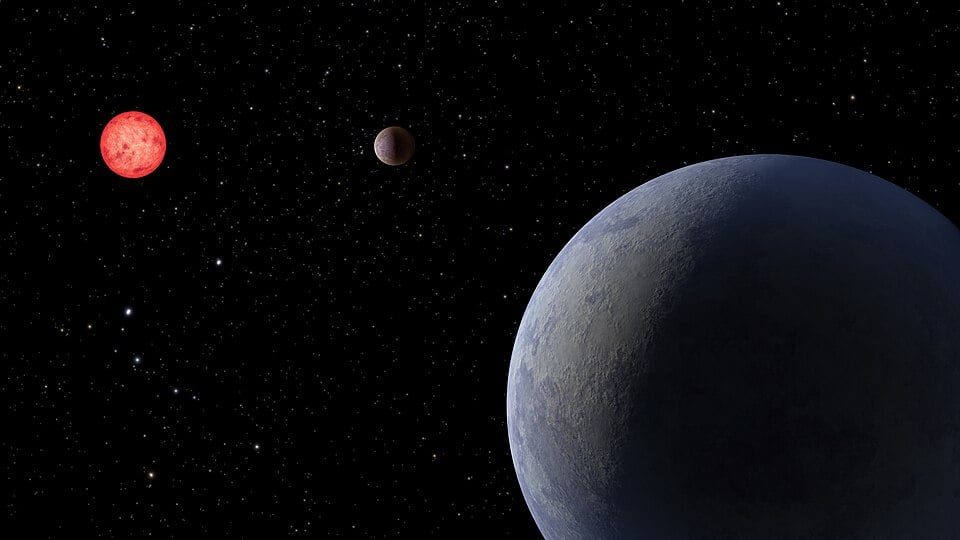
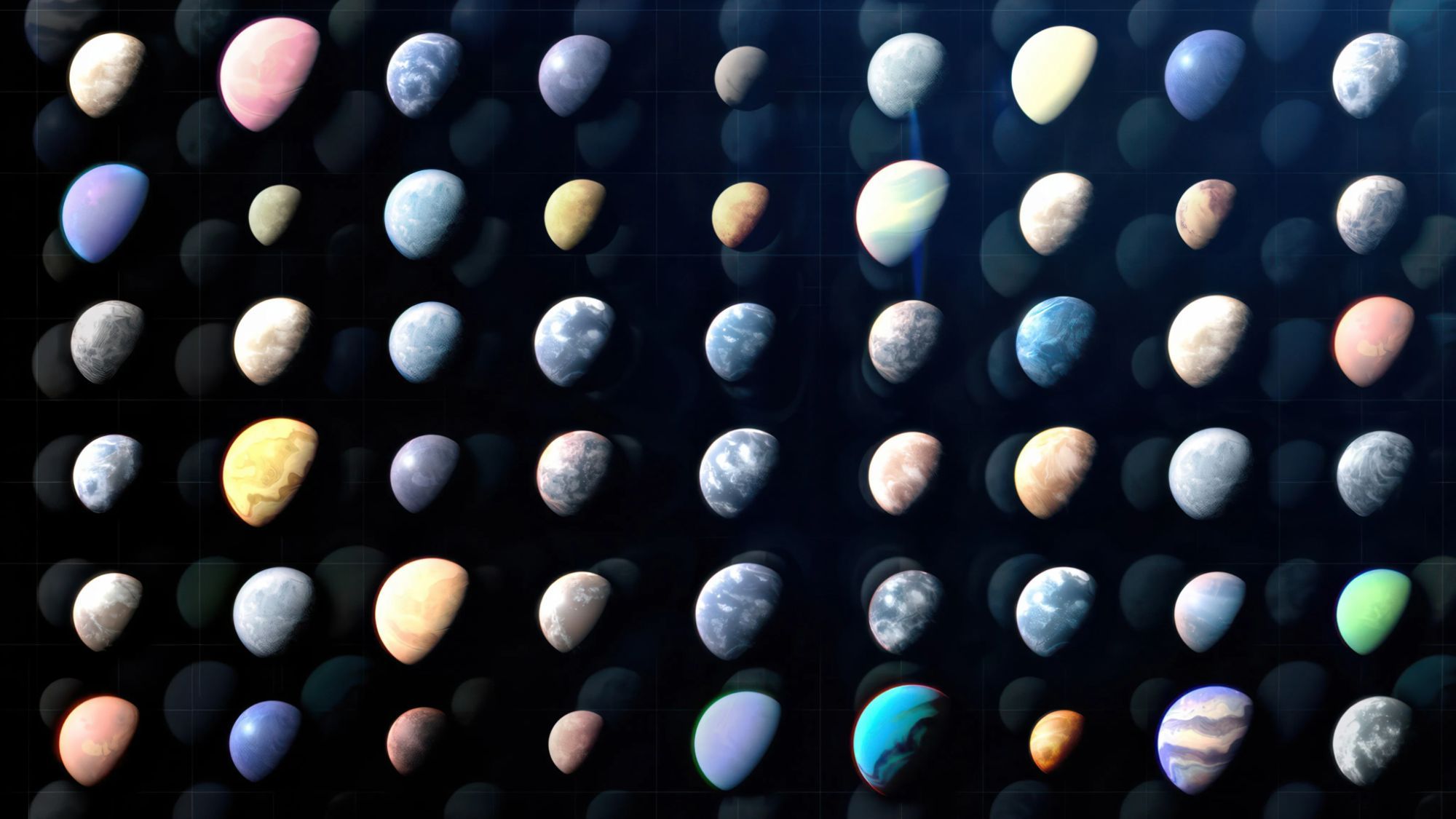
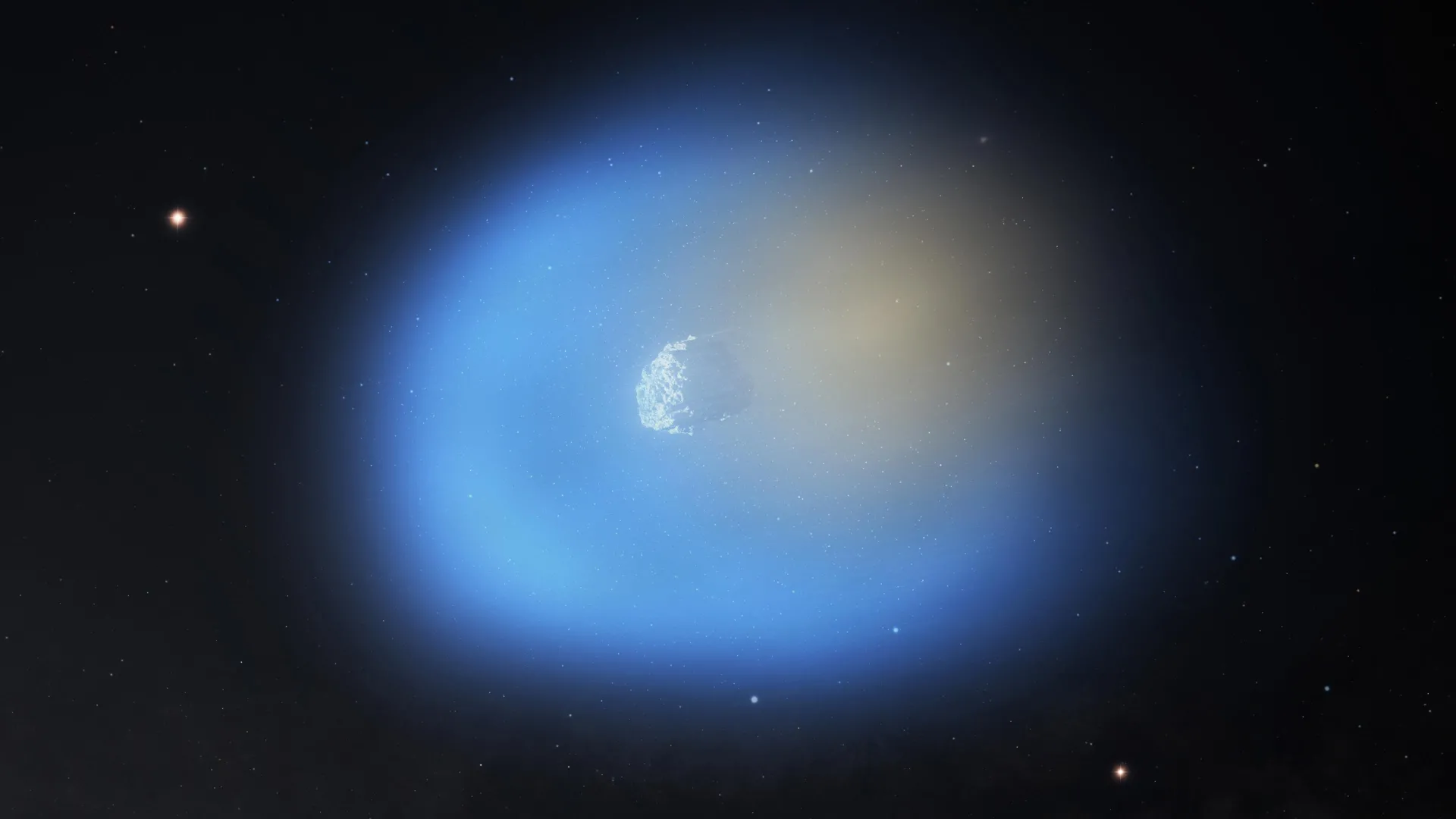
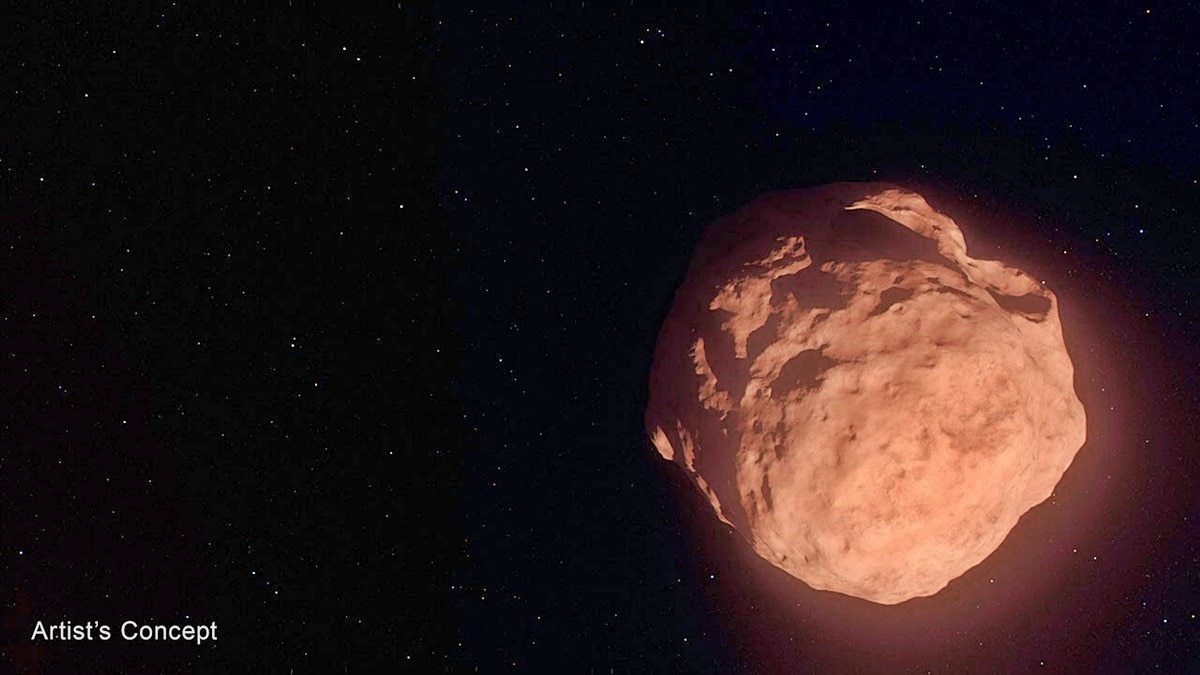
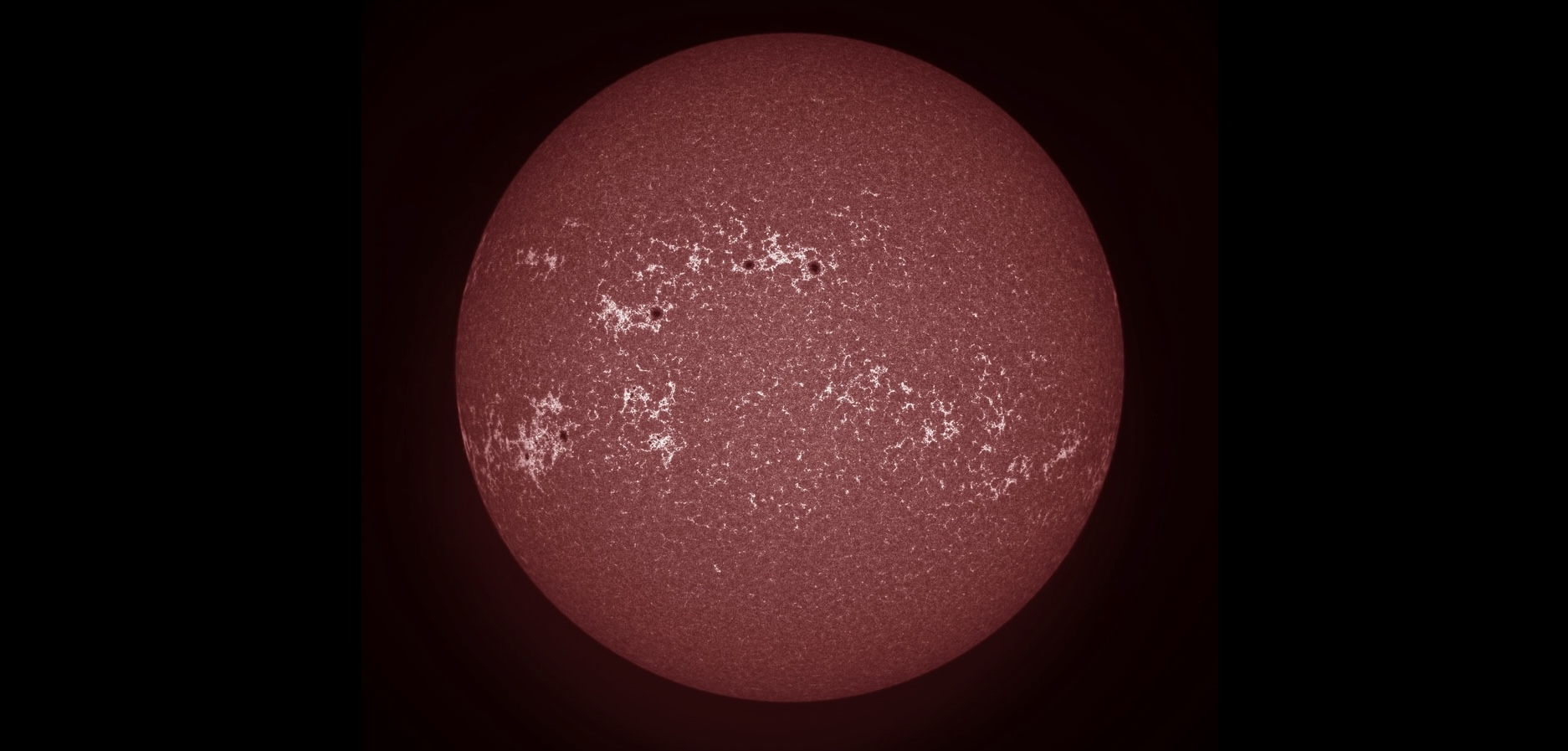
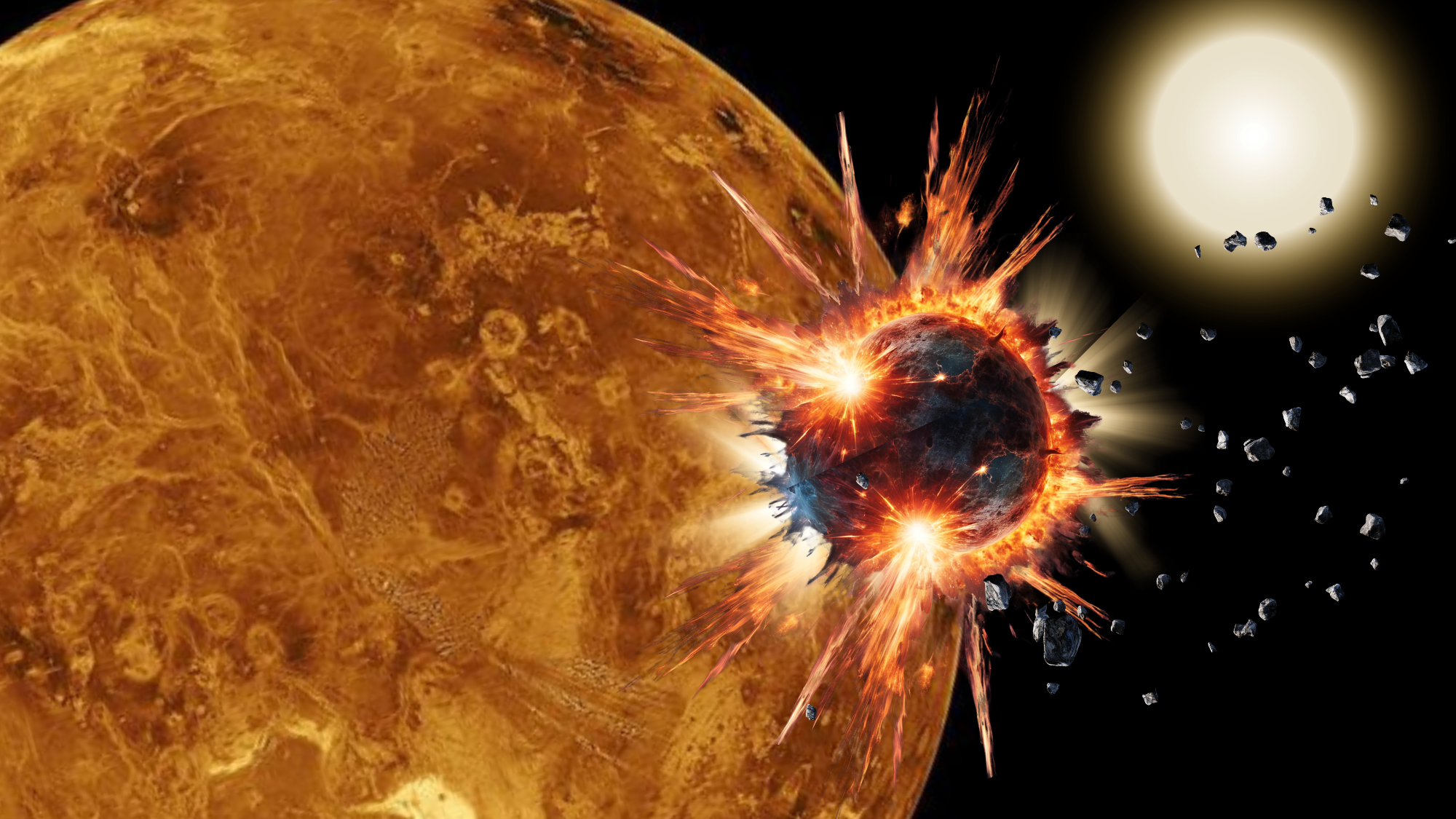
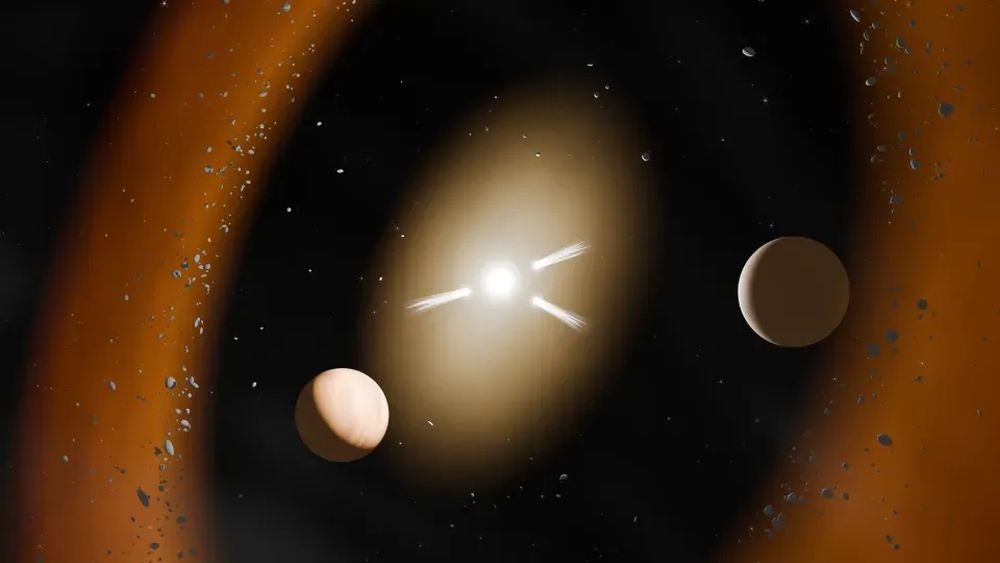
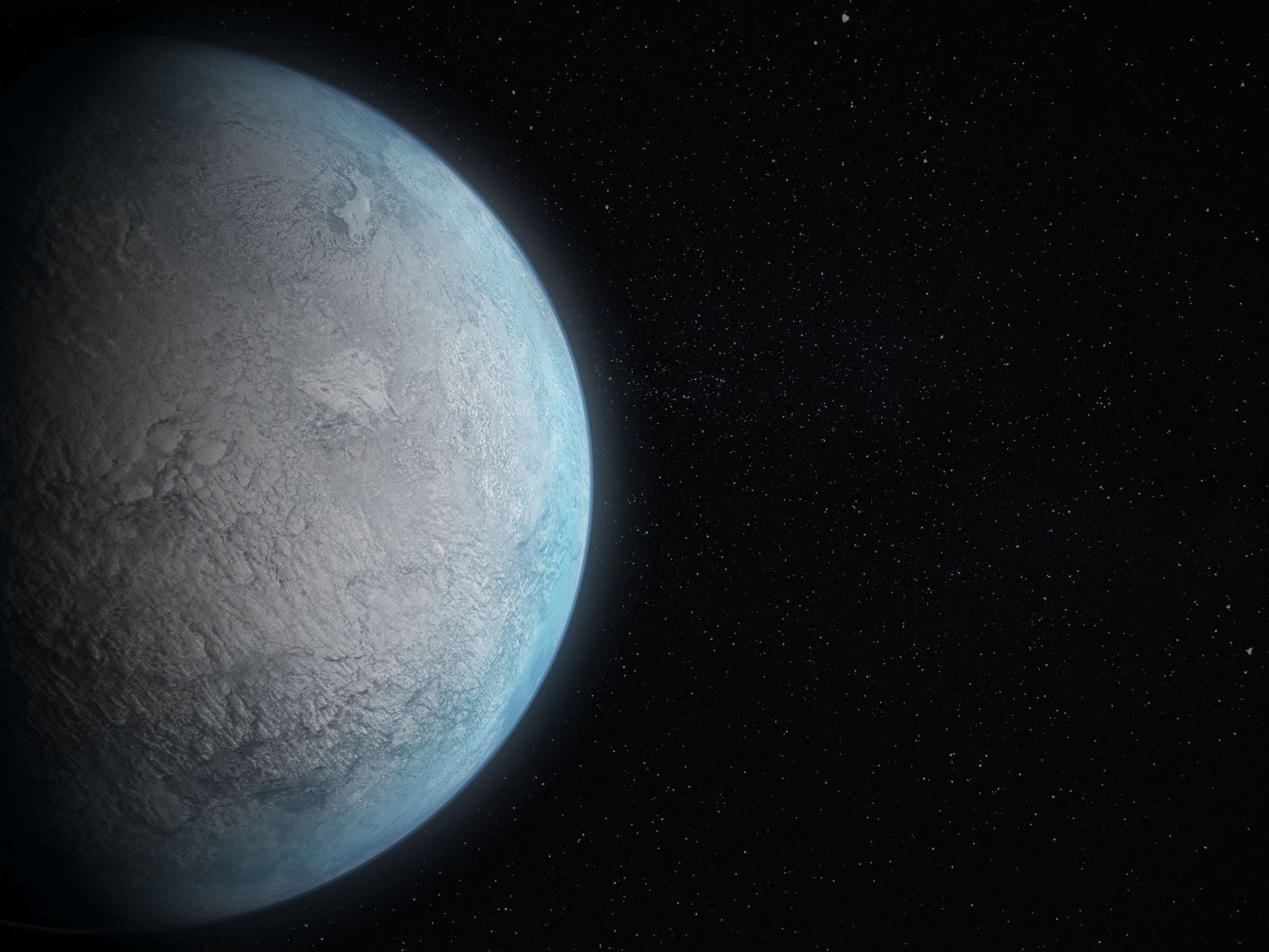
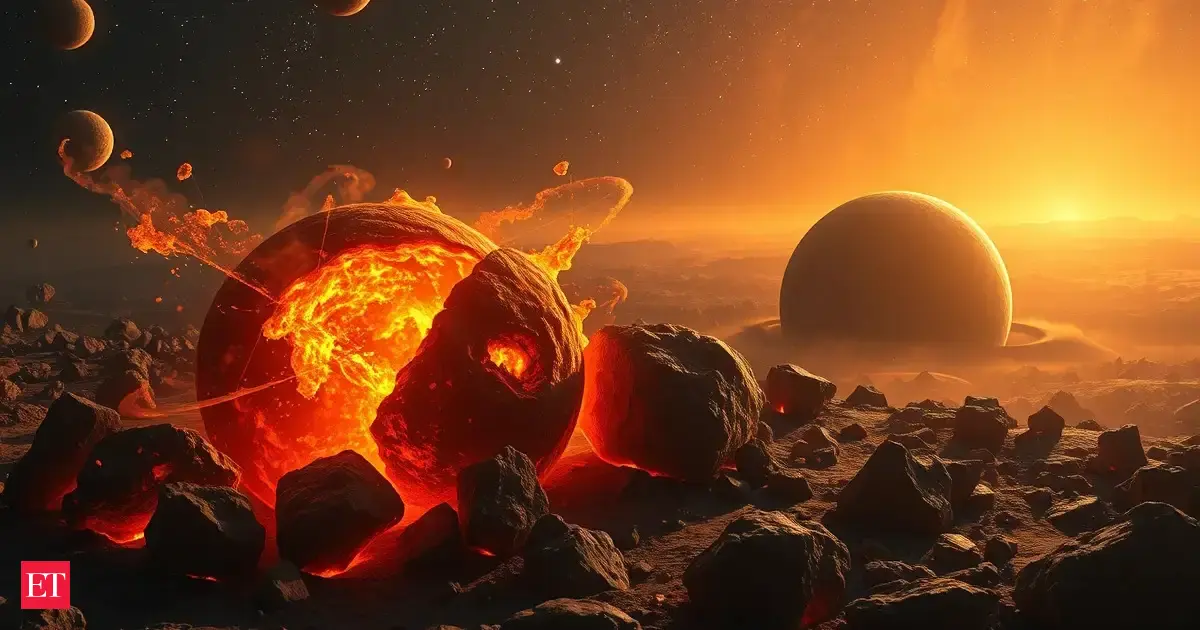
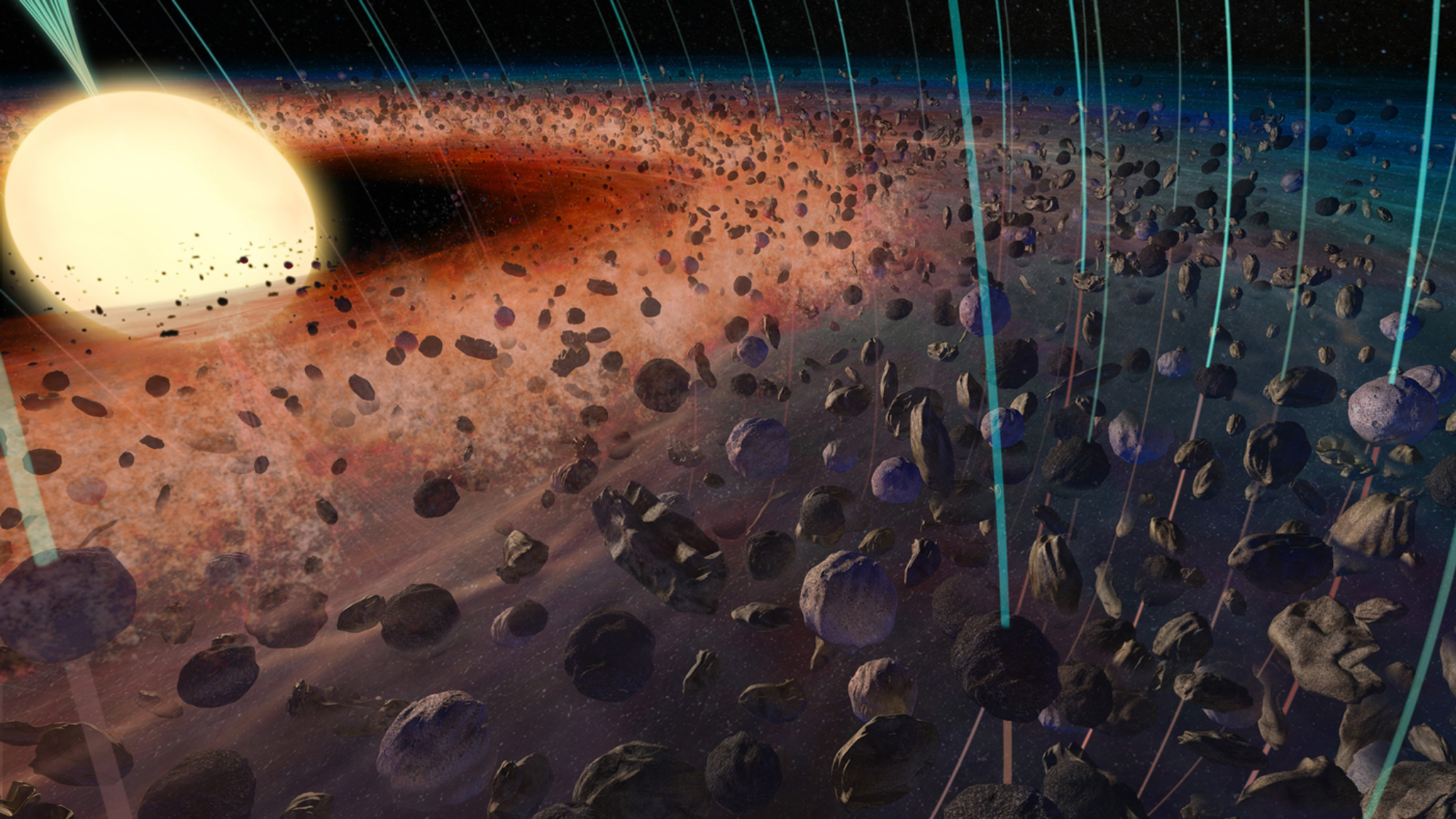
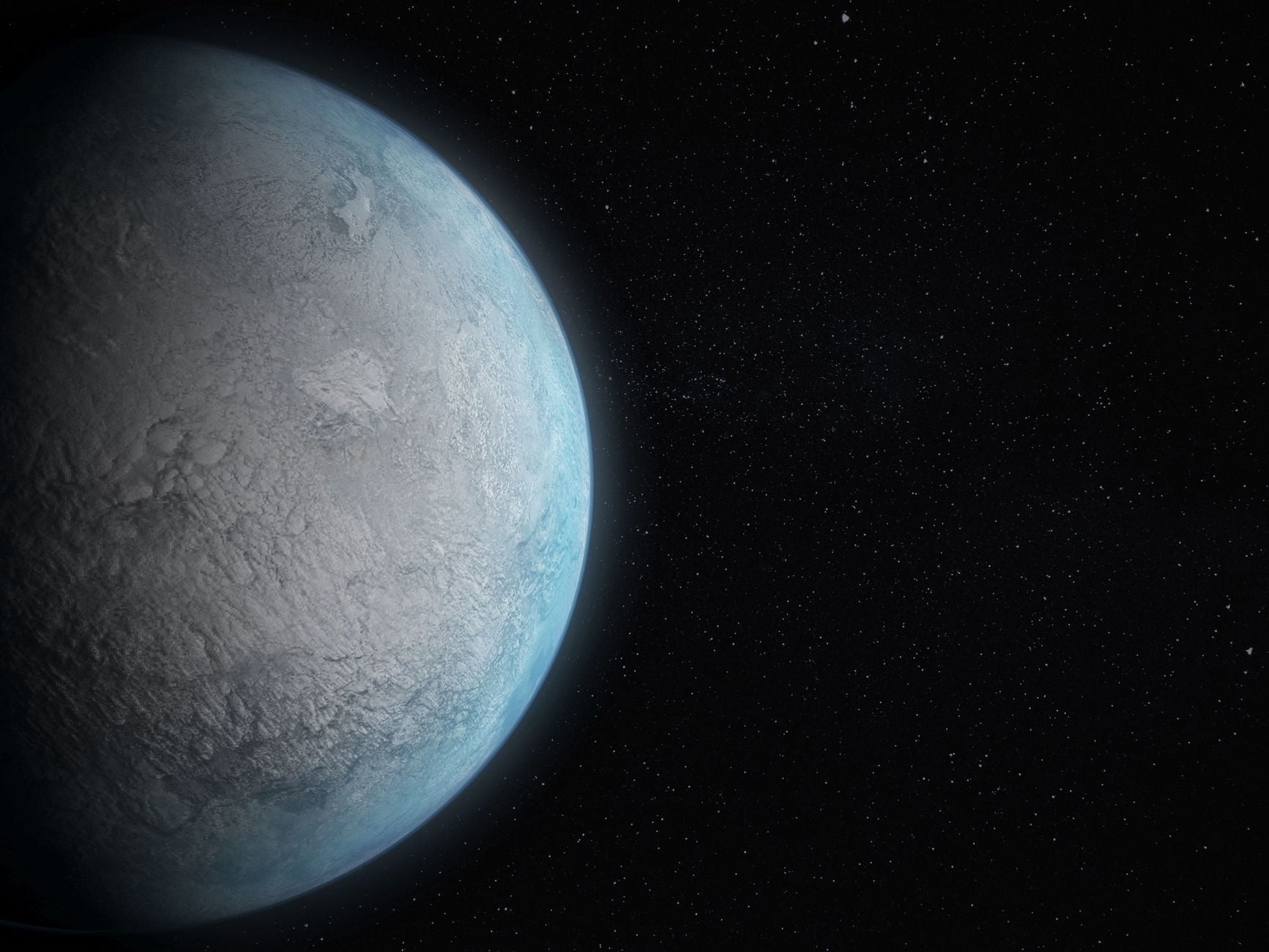
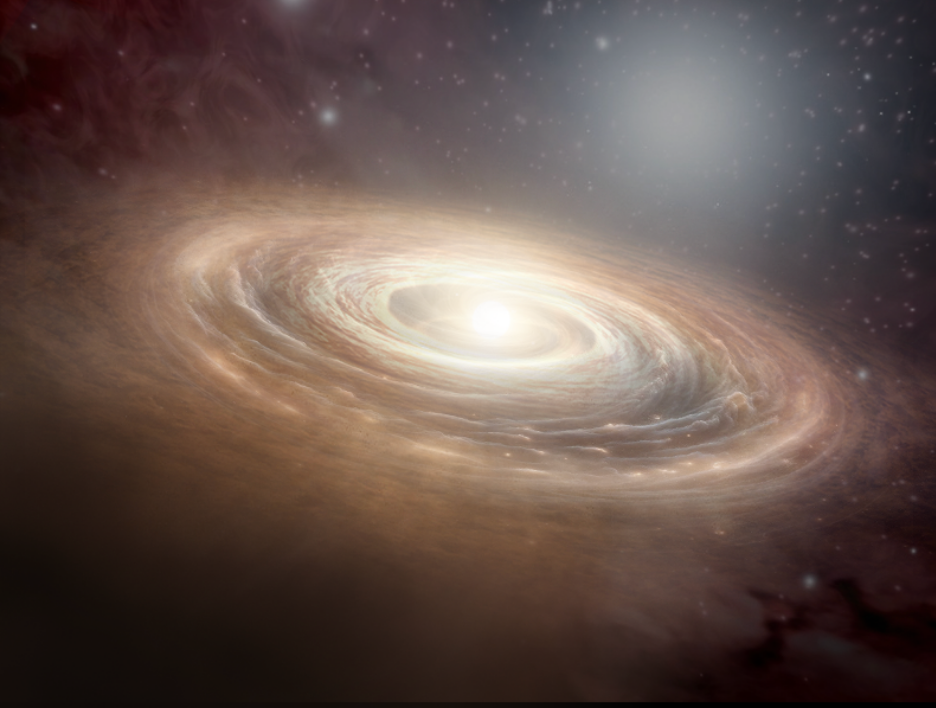
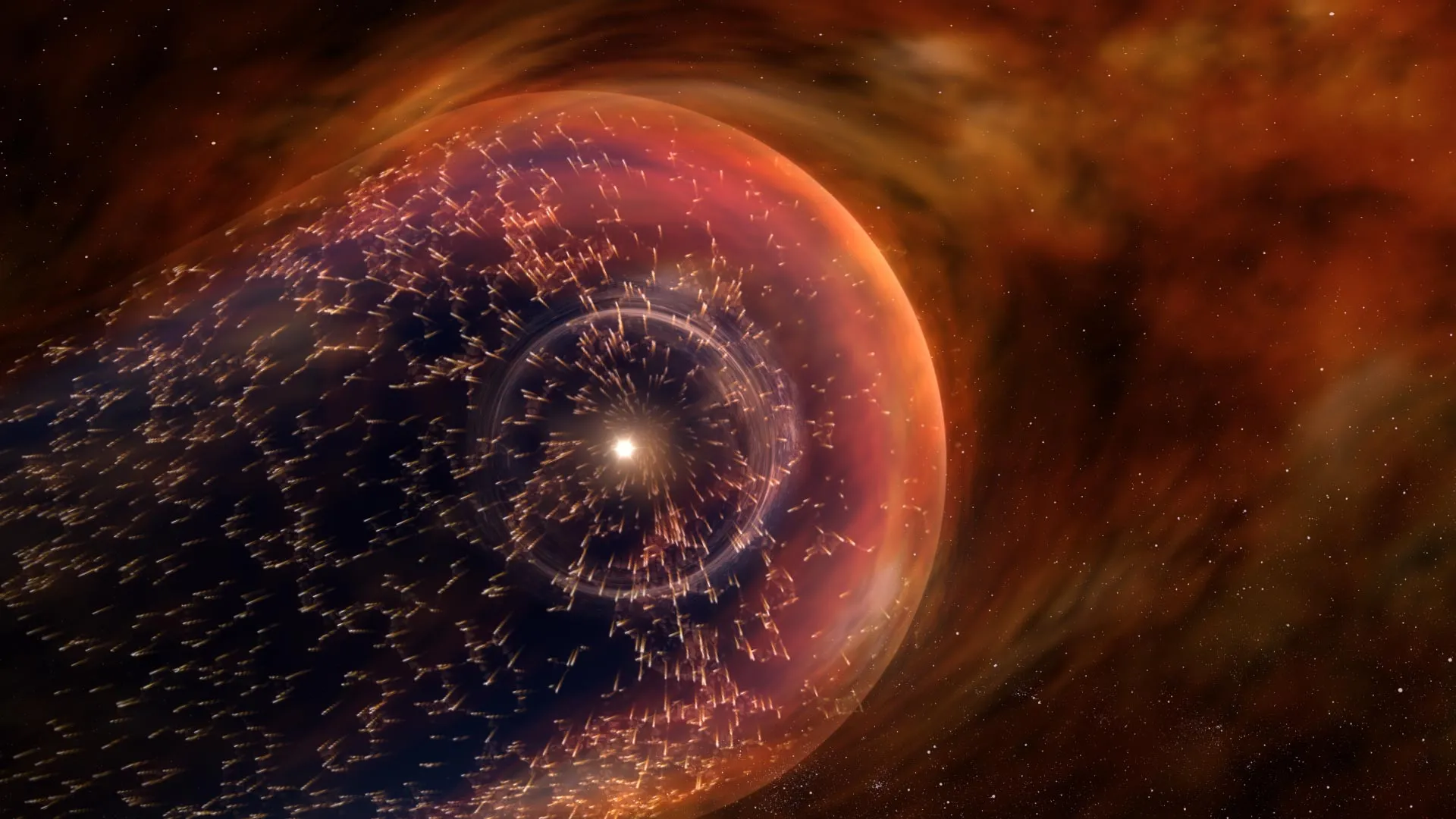
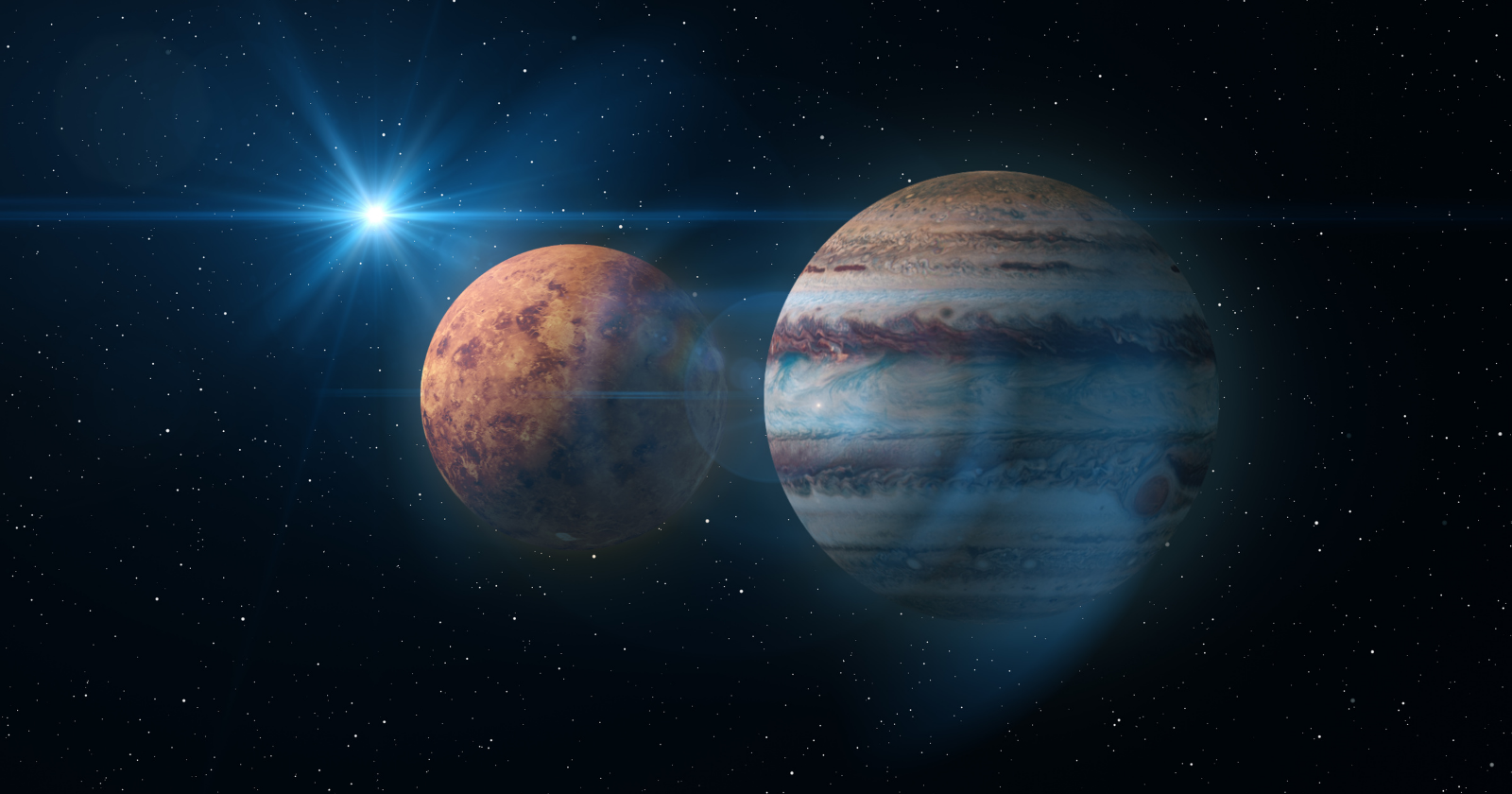
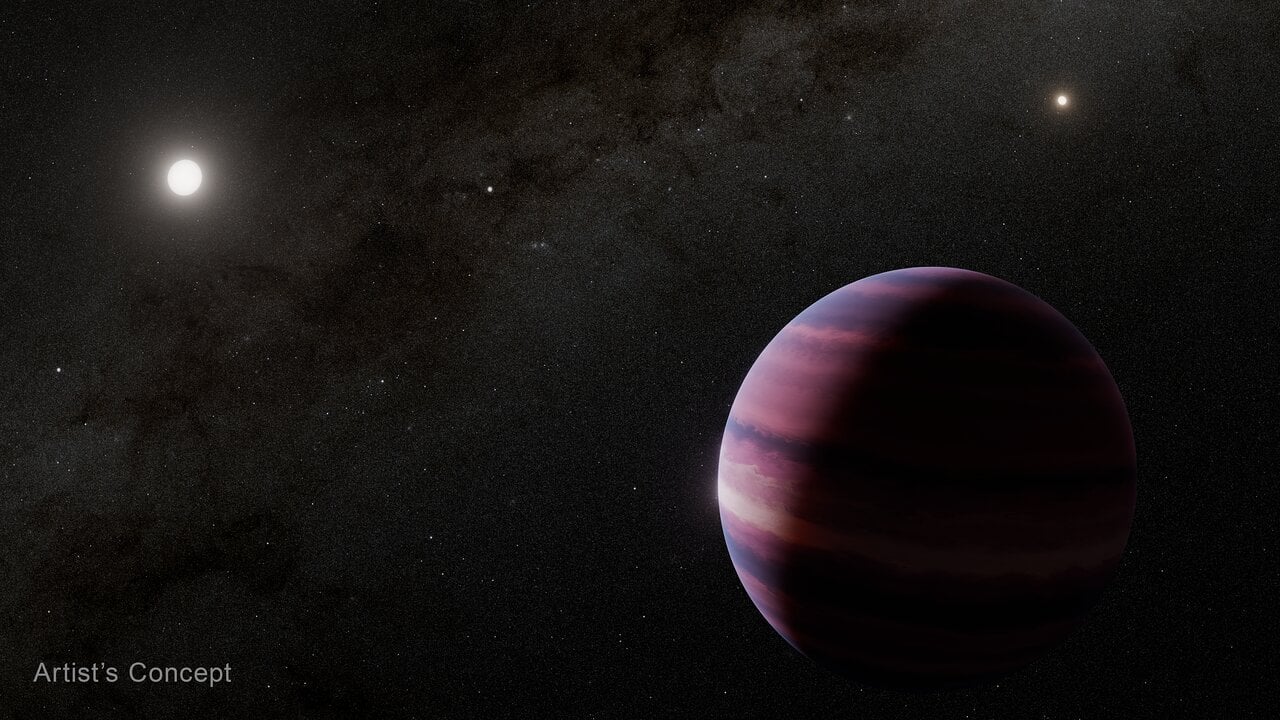
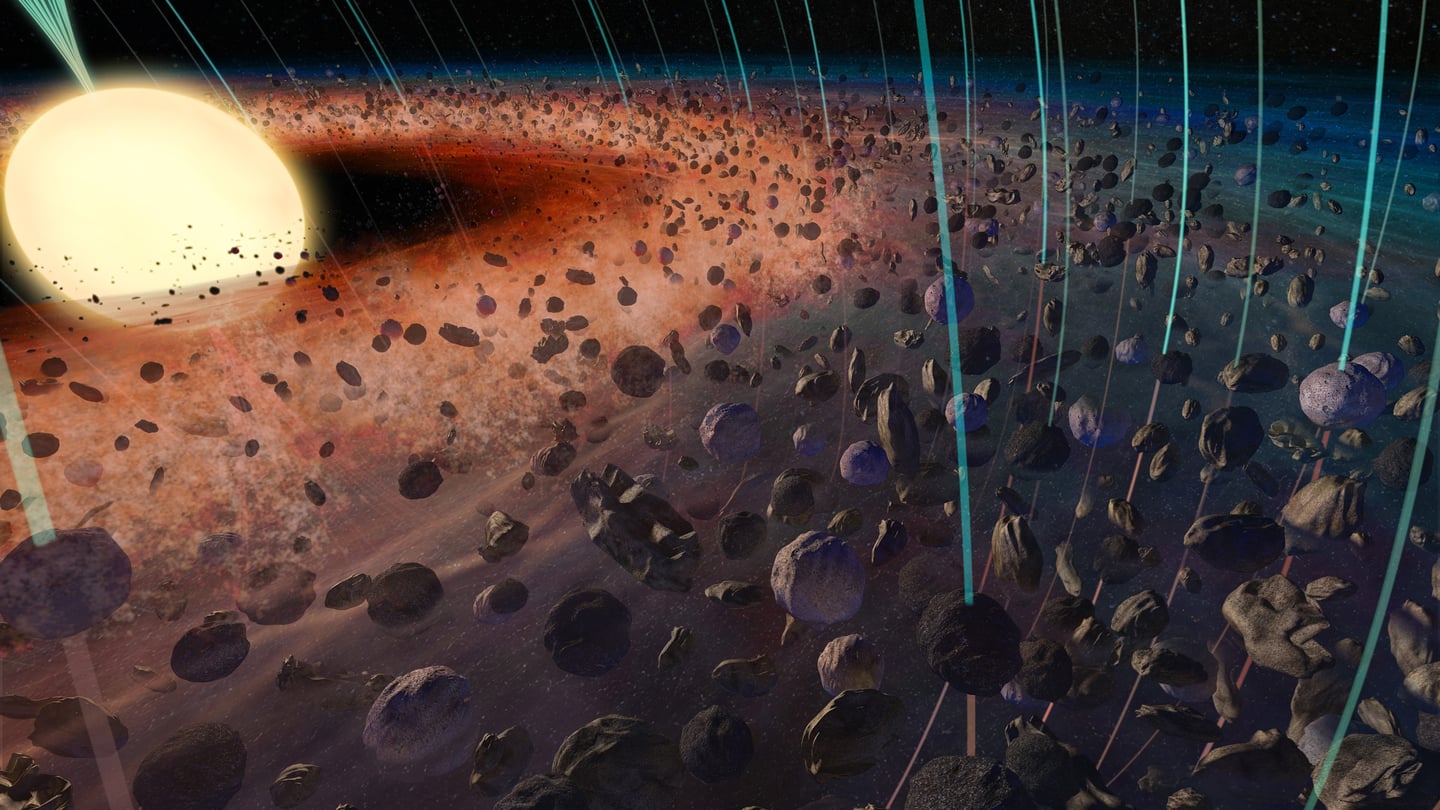
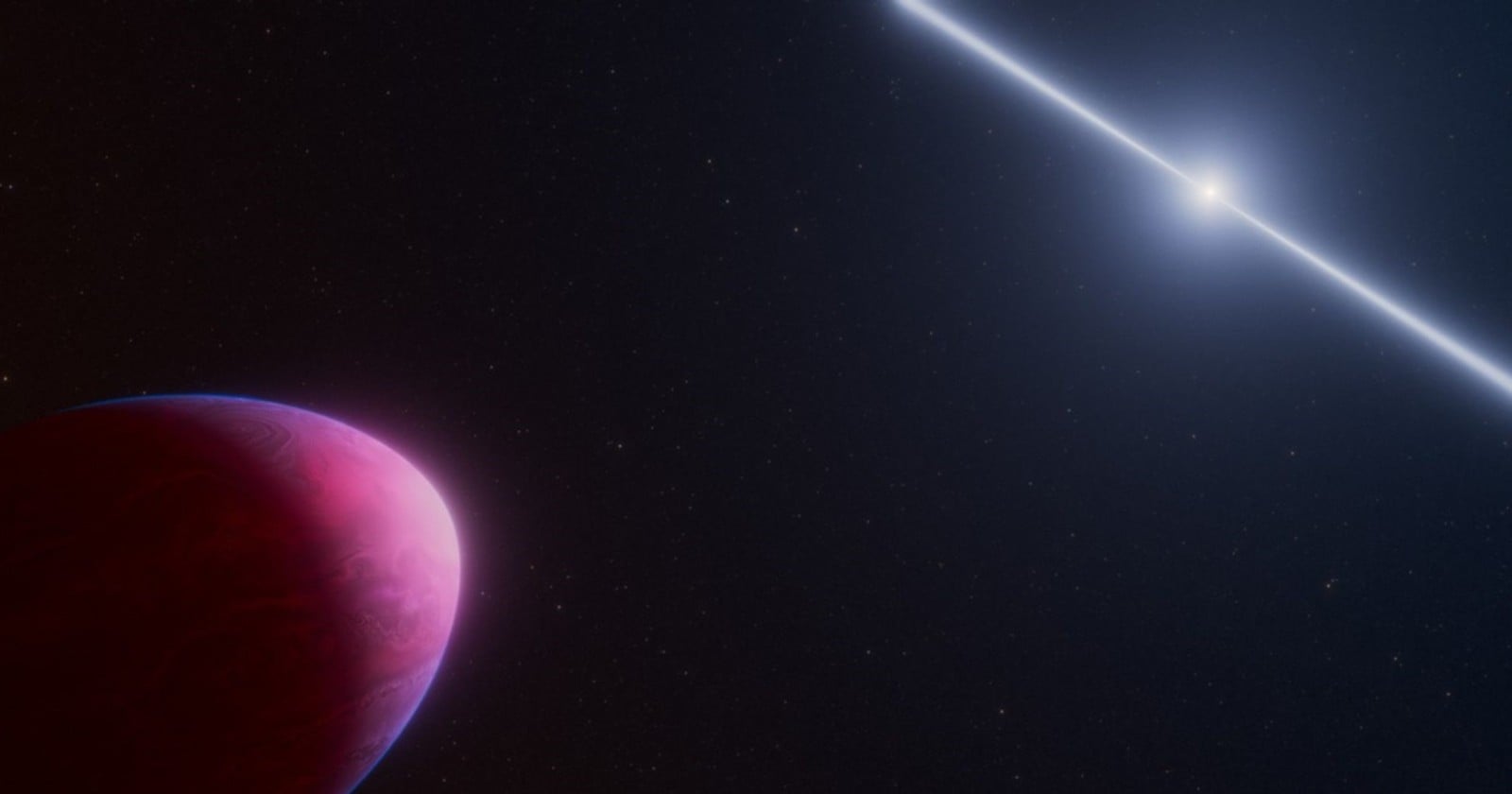
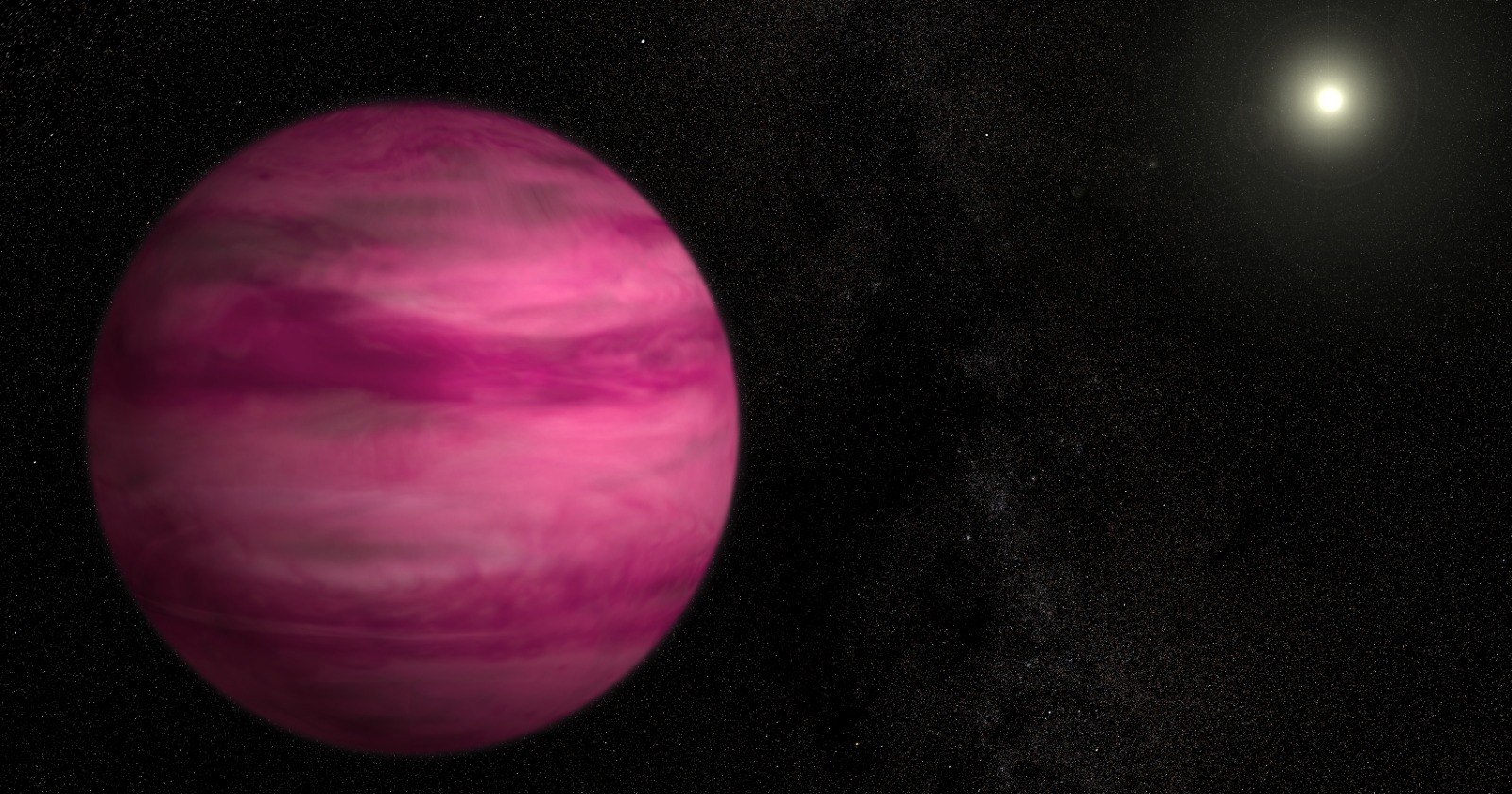
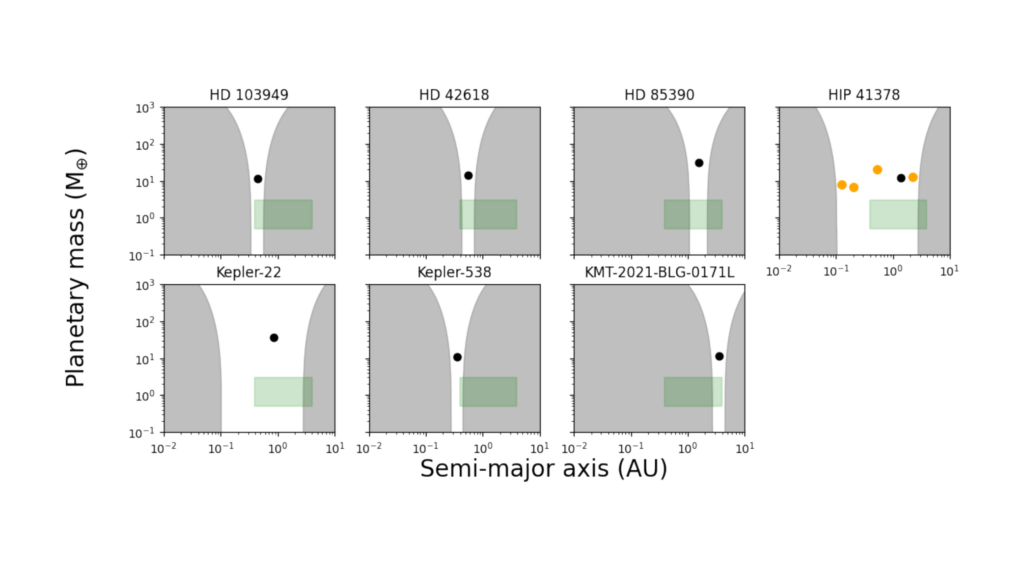
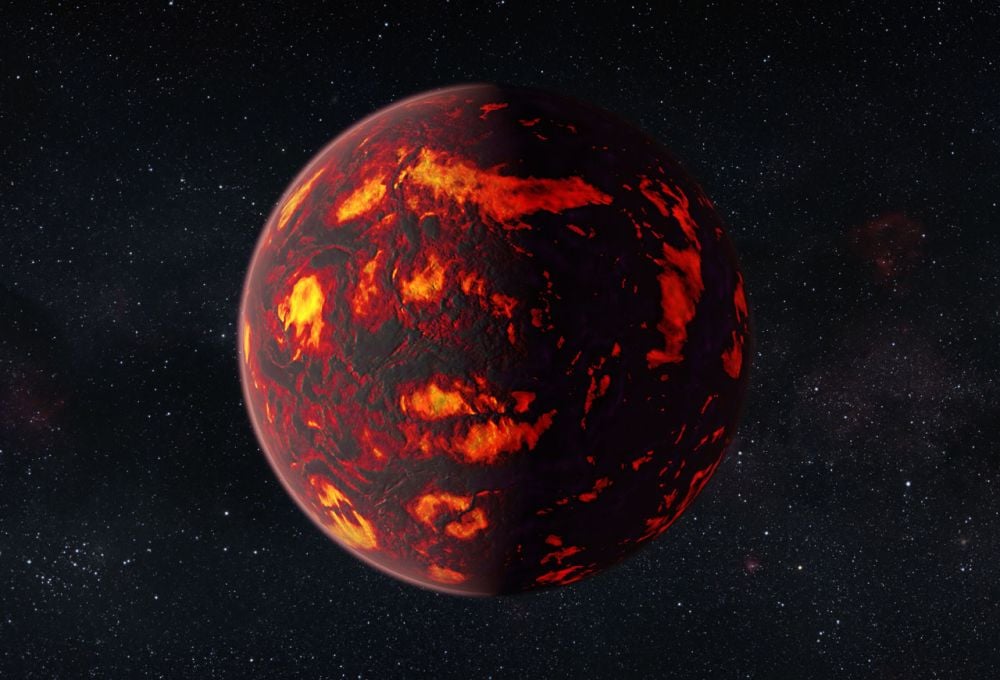
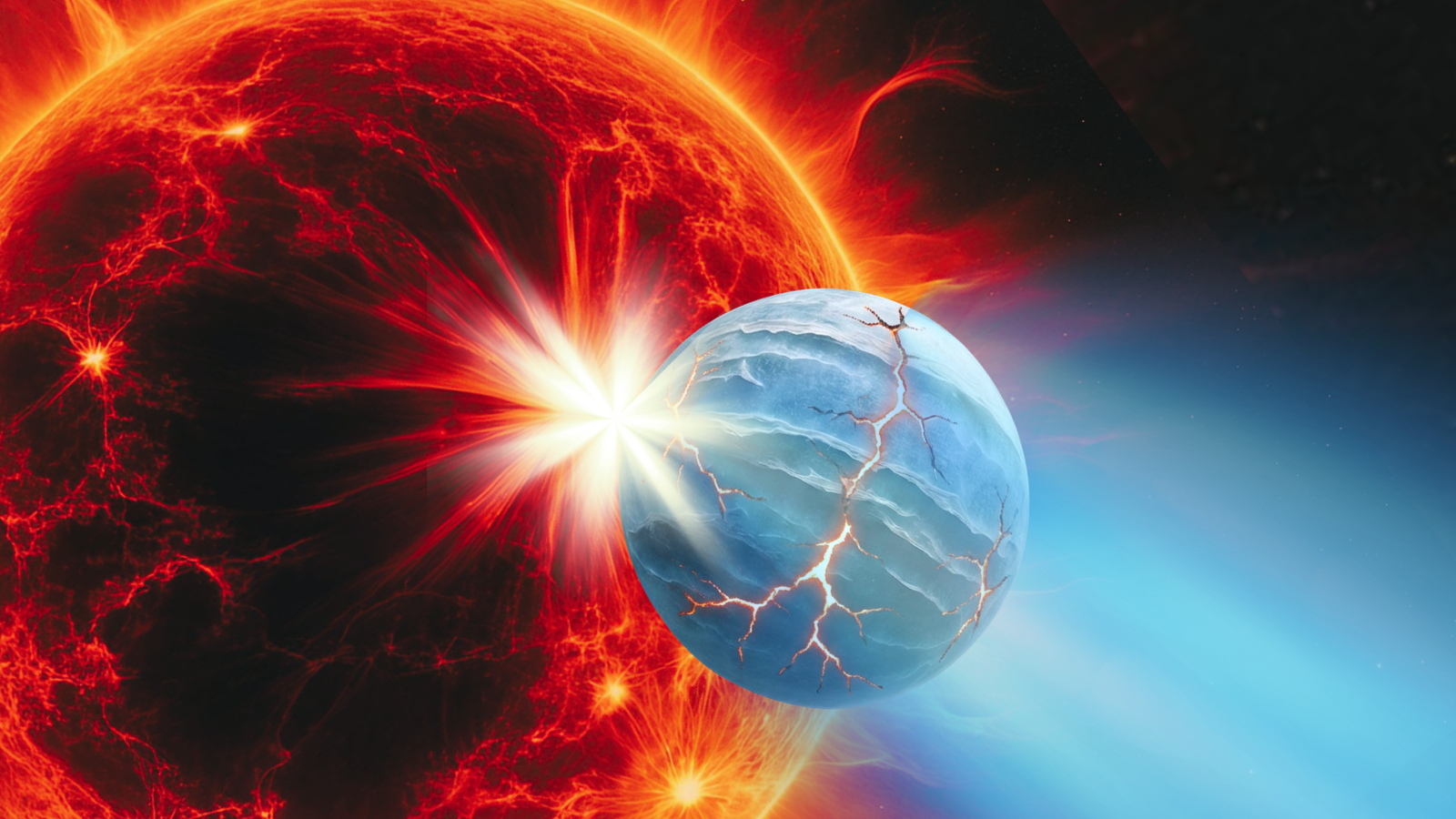
Super-Earths orbit almost every other star but none survive in our own system. This model floats a dramatic reason: the infant Sun may have eaten ours, hiding the evidence deep inside itself.
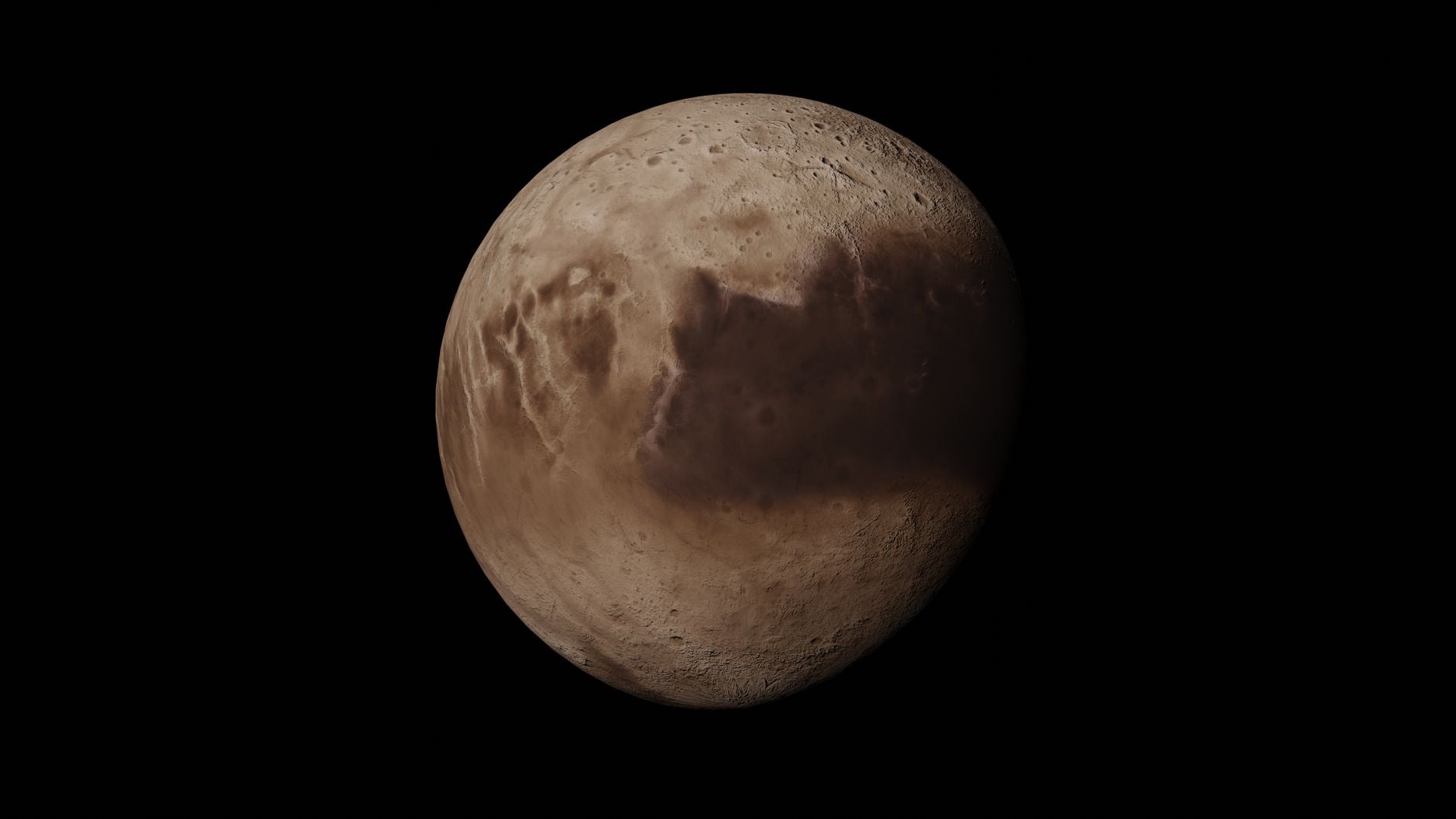
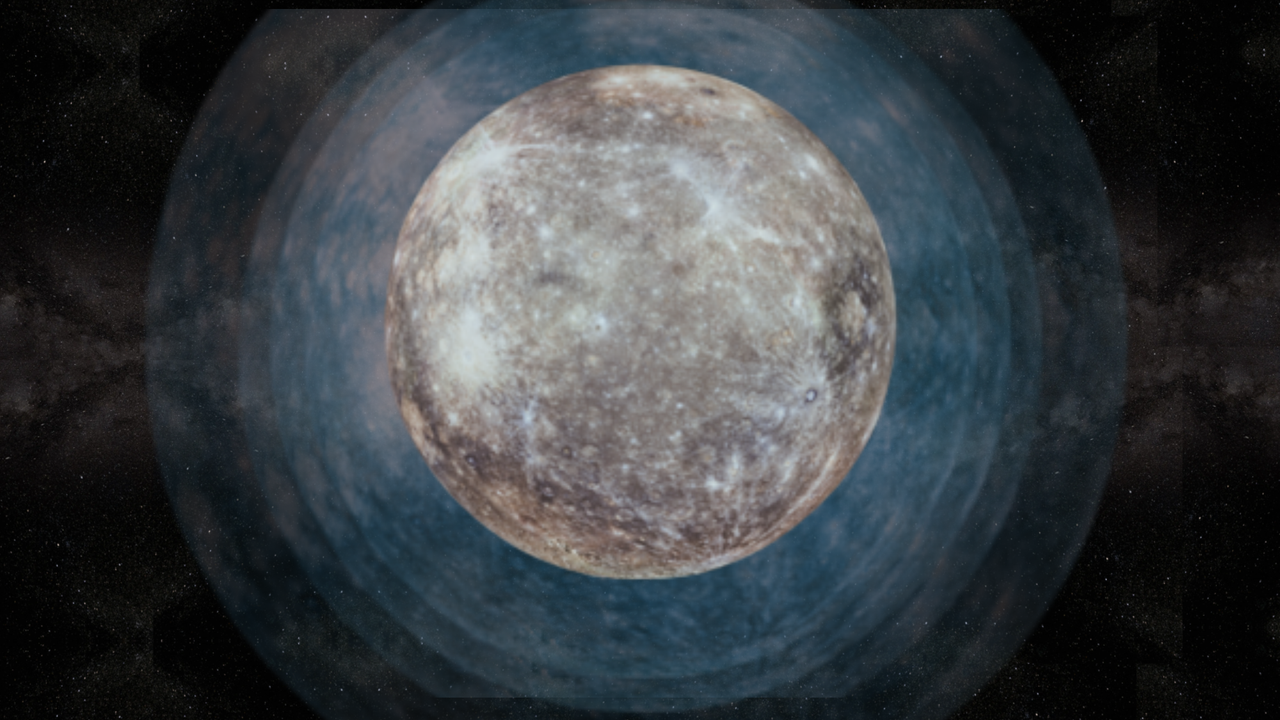
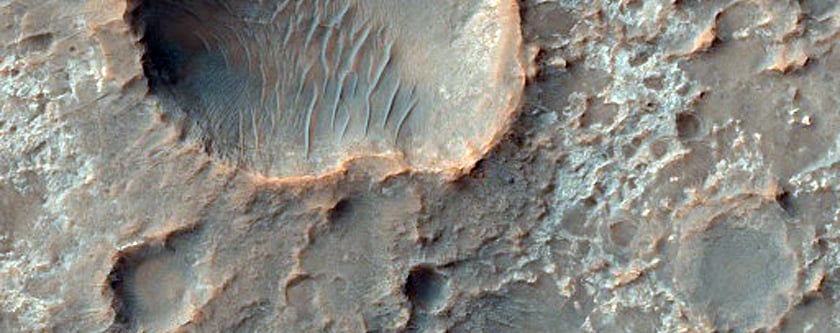
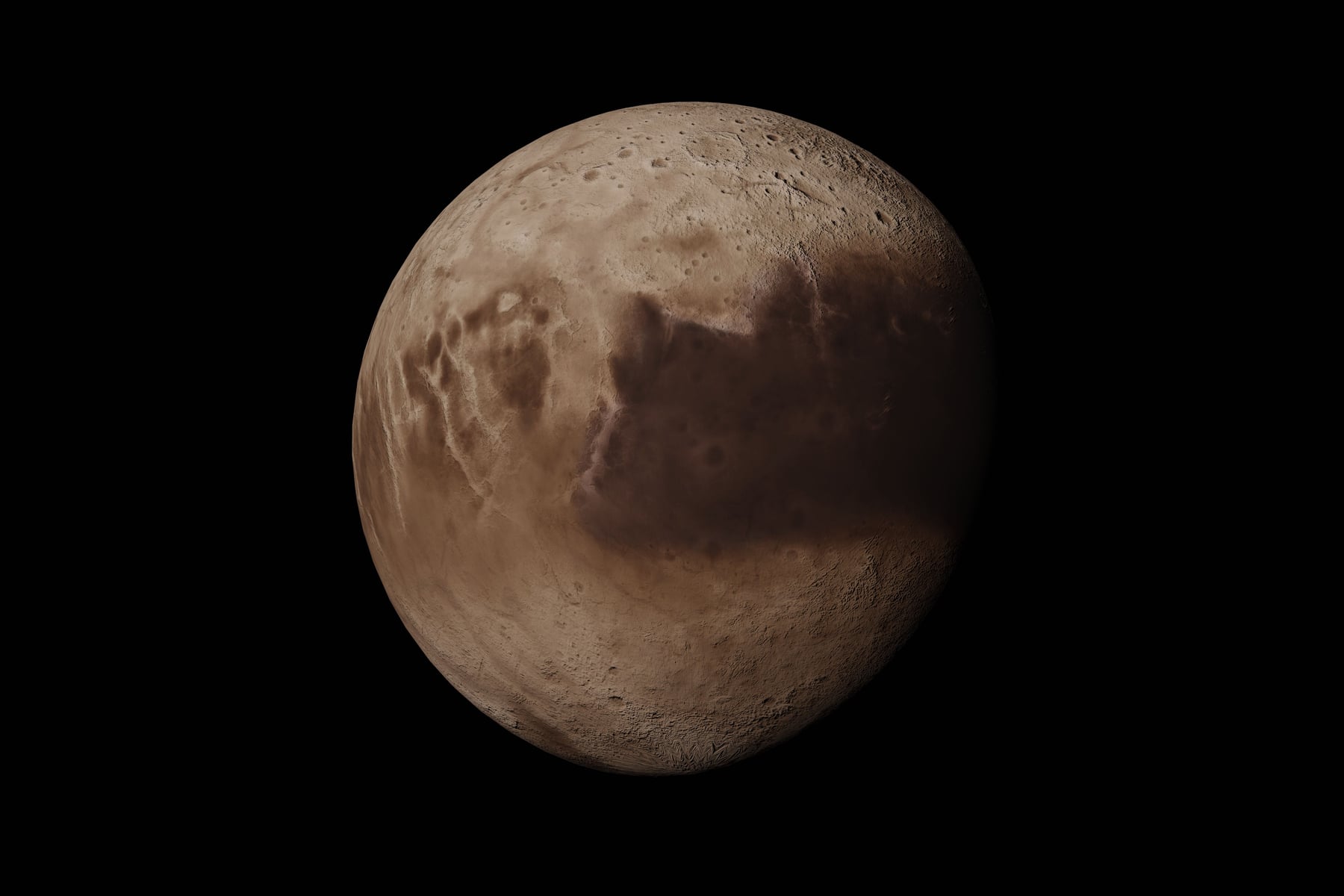
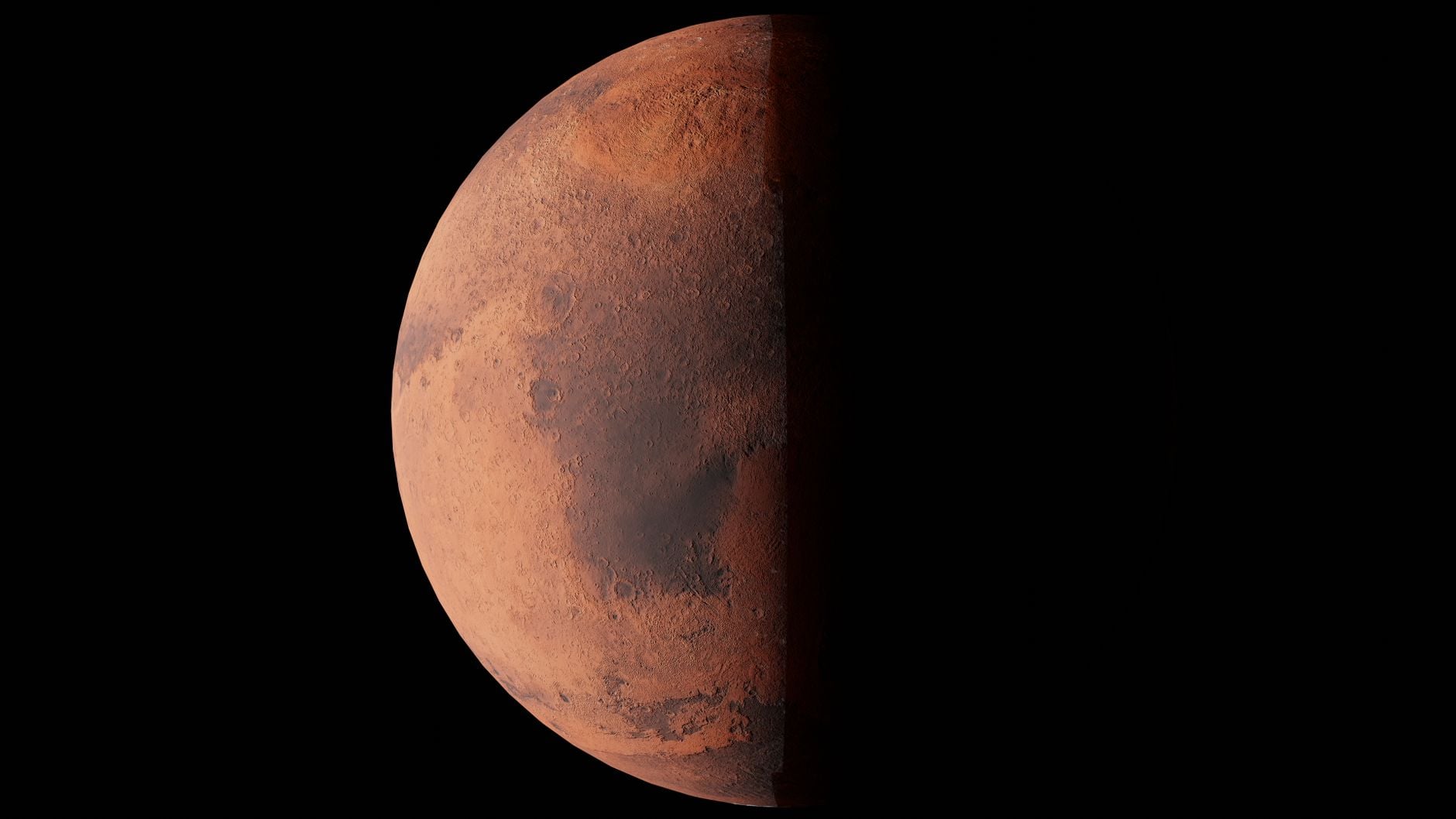
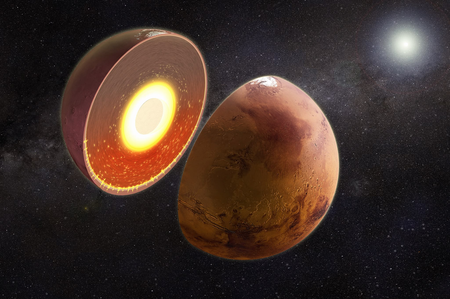
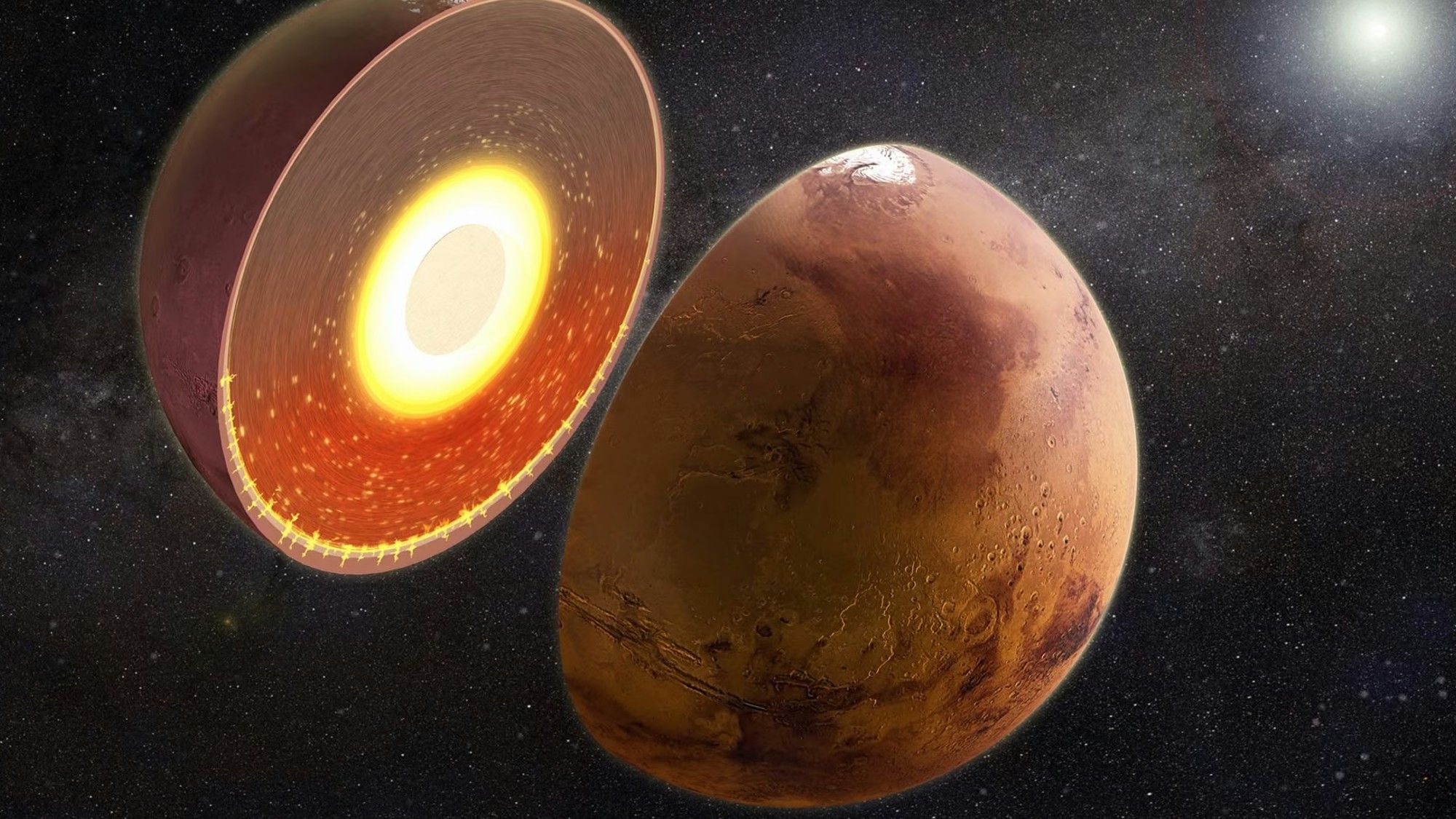
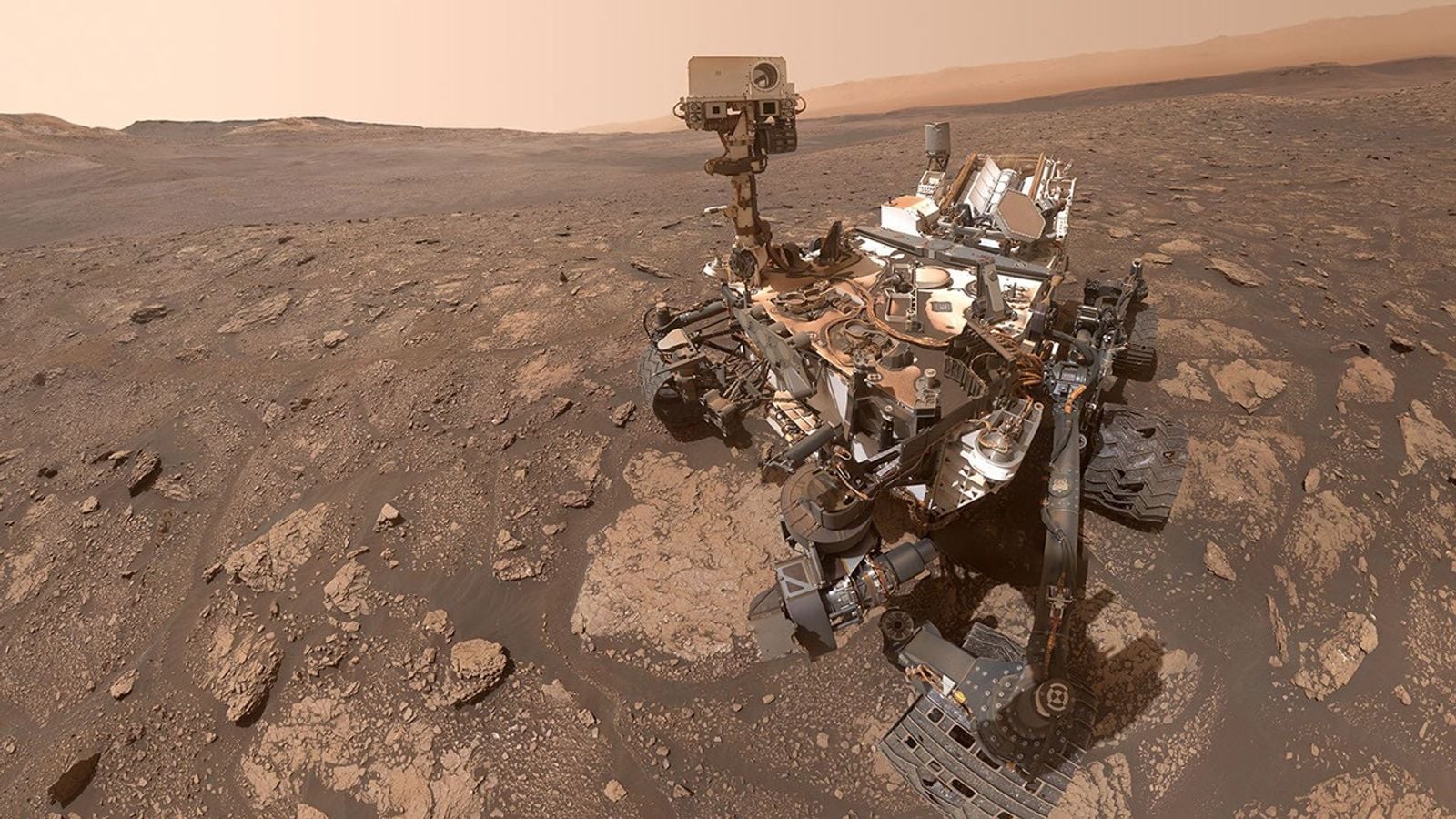
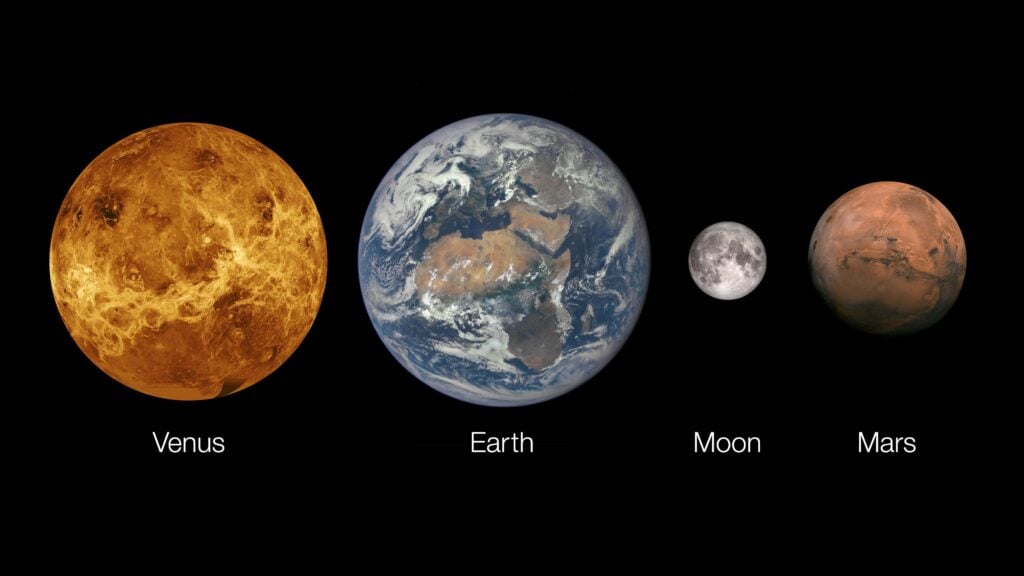
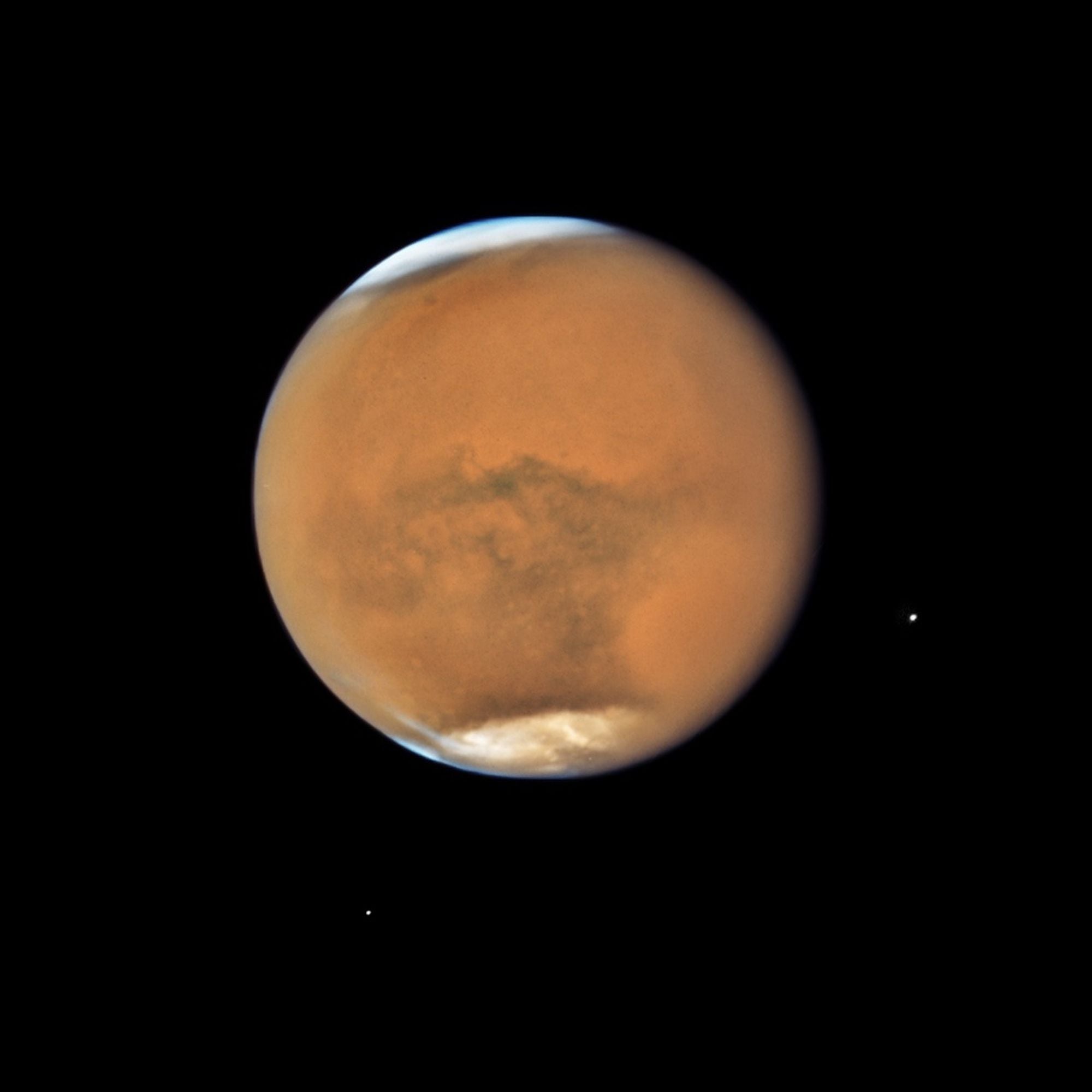
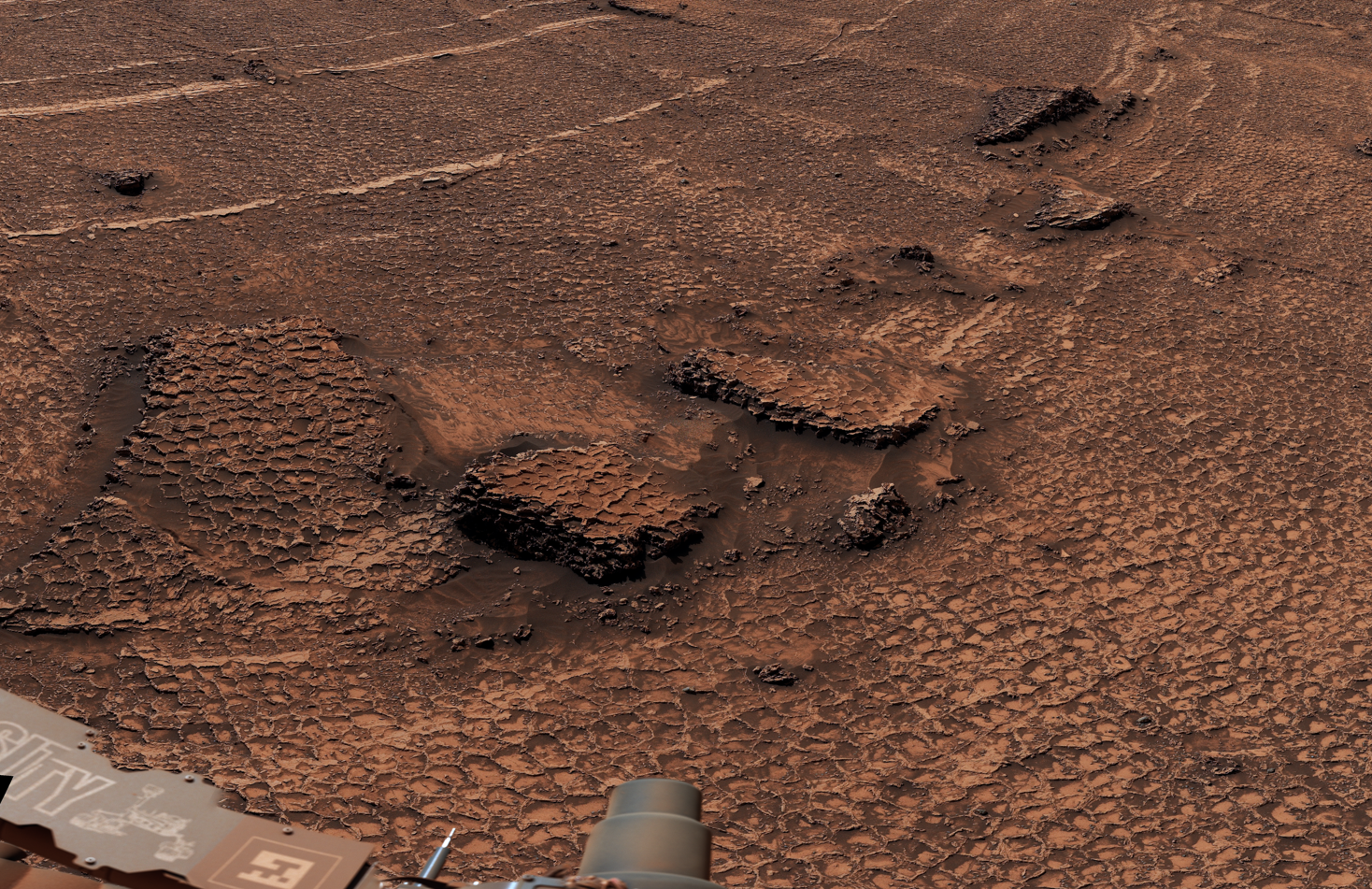
Mars was long modeled with a symmetric interior; a lopsided, still-warm mantle suggests rocky planets can lock in deep hemispheric imbalances as they form, reshaping how we read a world's surface from the inside out.
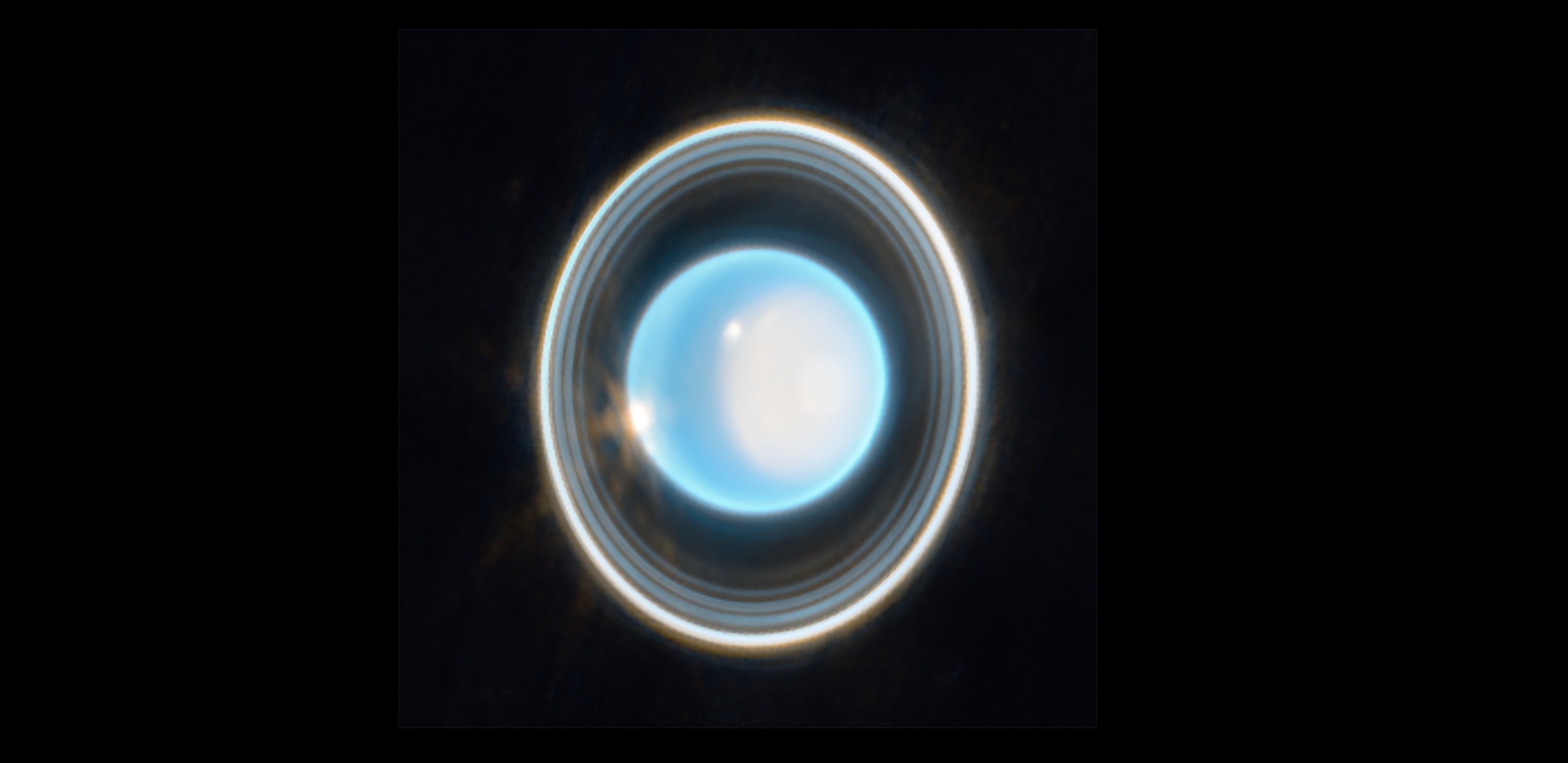
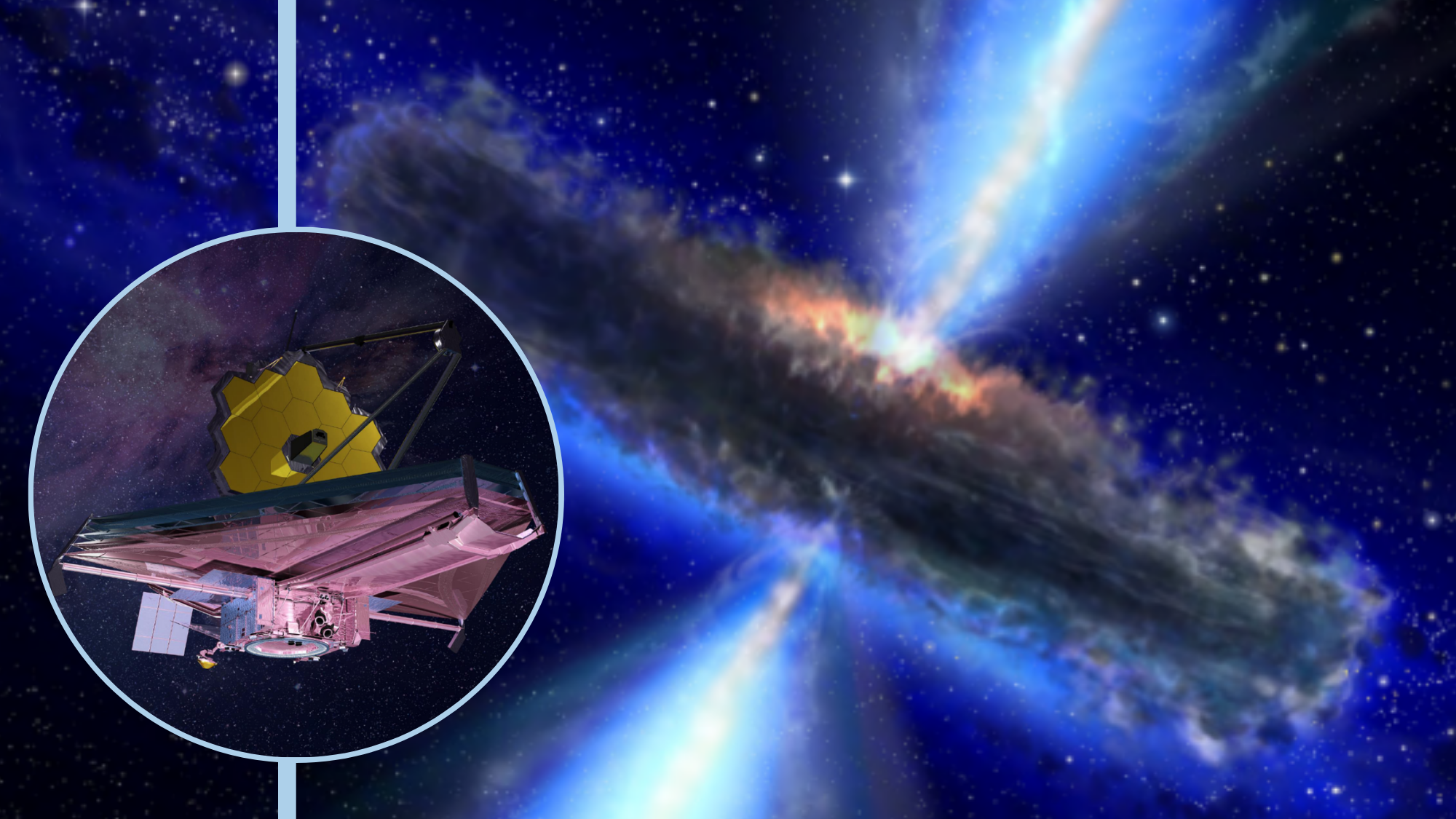
The icy moons of the outer solar system are natural chemistry labs, and JWST is finally sharp enough to trace where their surface ingredients originate — sharpening the science case for a future Uranus mission.
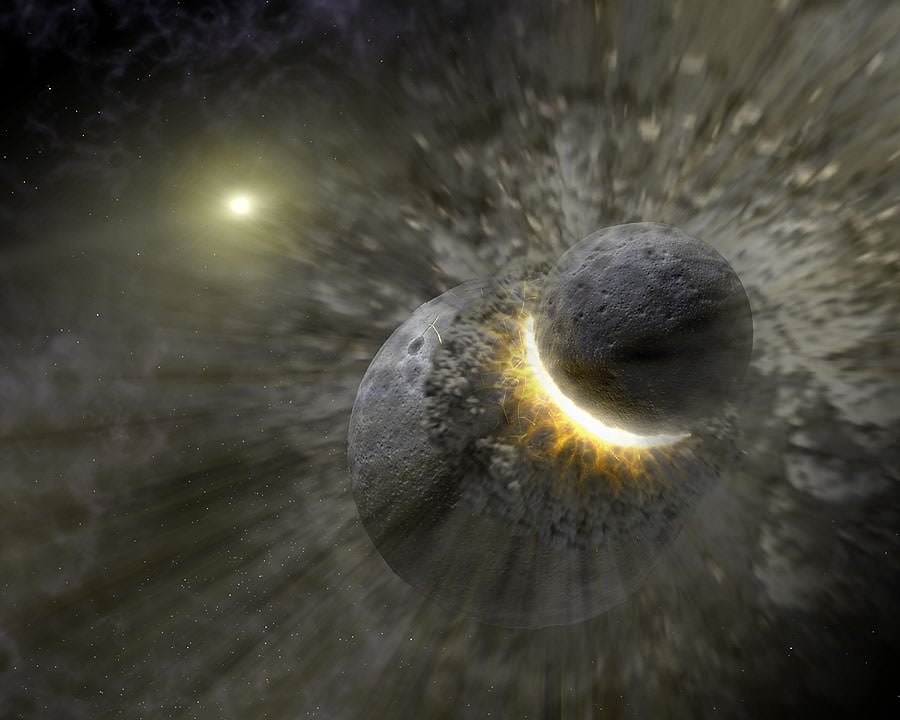
Young planetary systems can be violent places, and new work hints our own Sun may have devoured an early super-Earth, a clue to how newborn systems reshuffle and lose worlds.
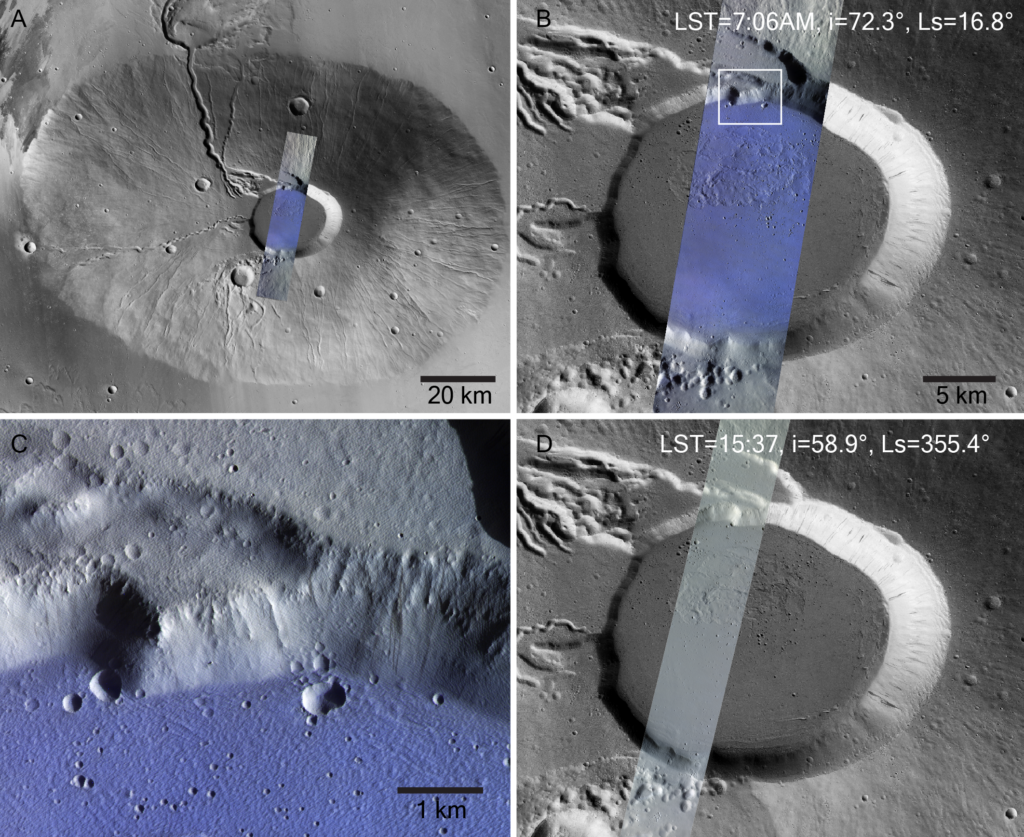
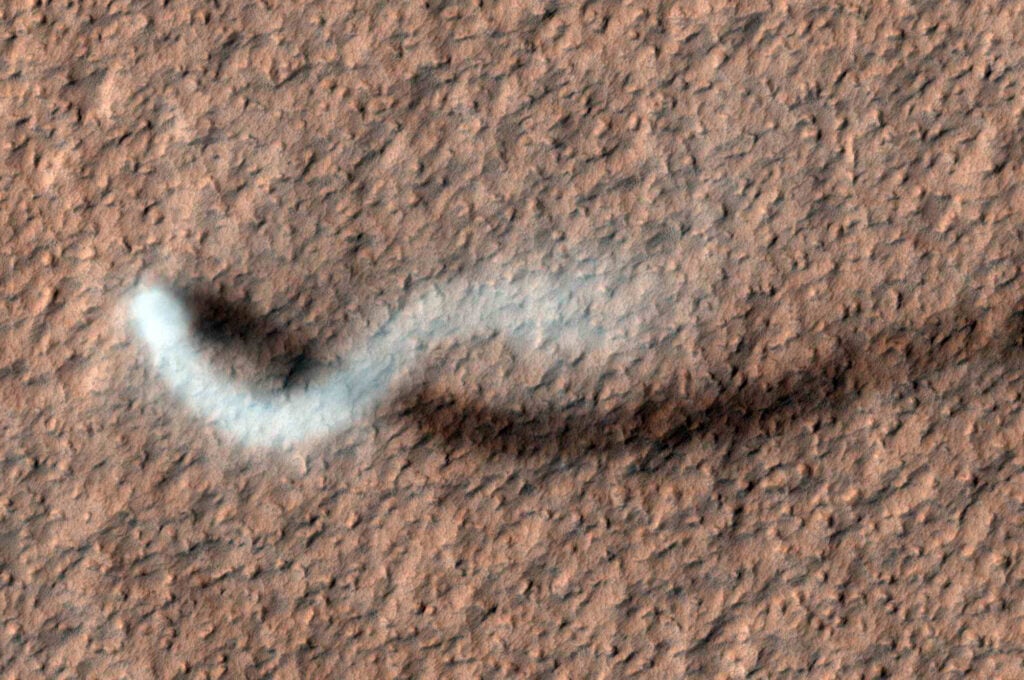
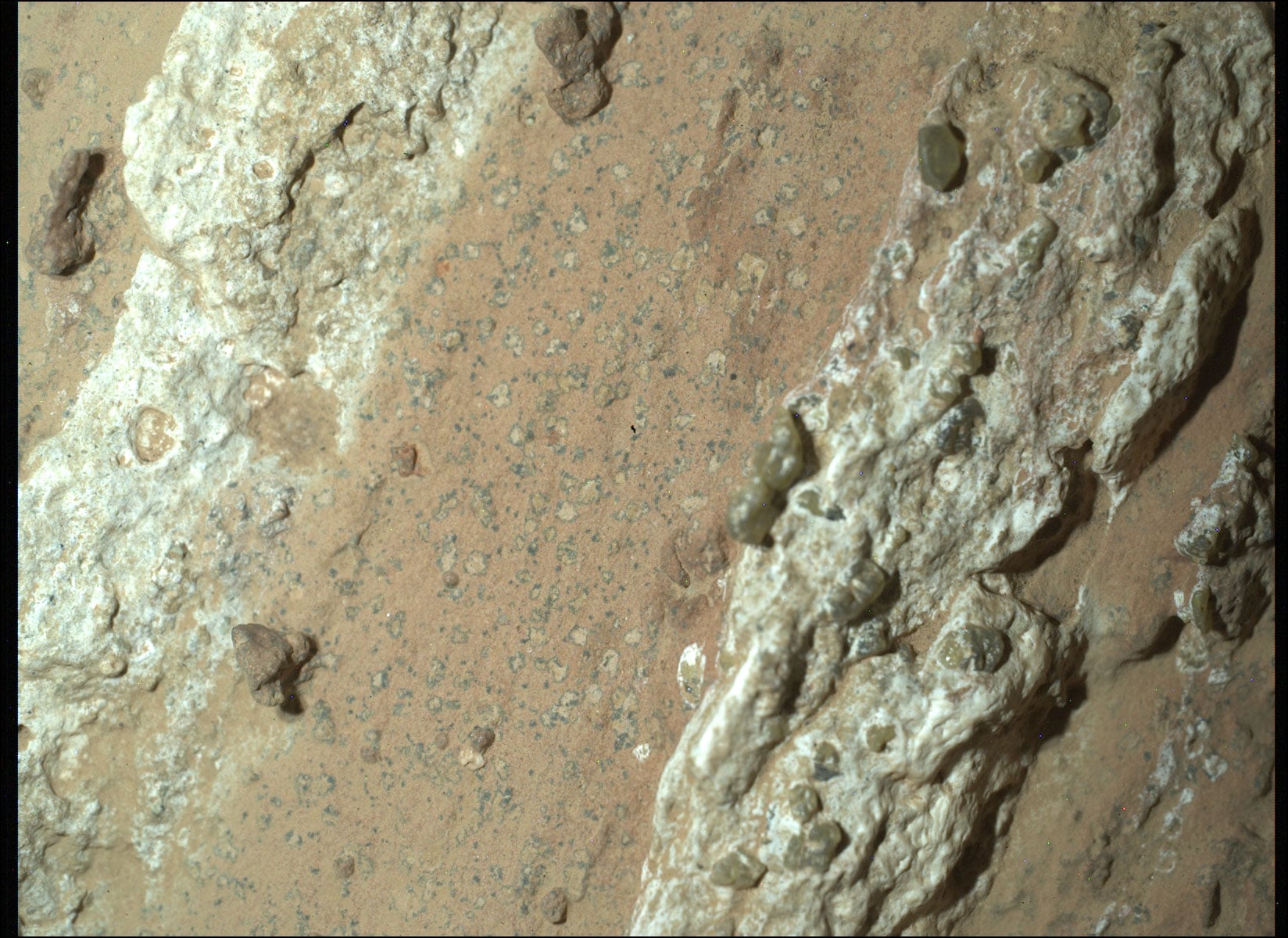
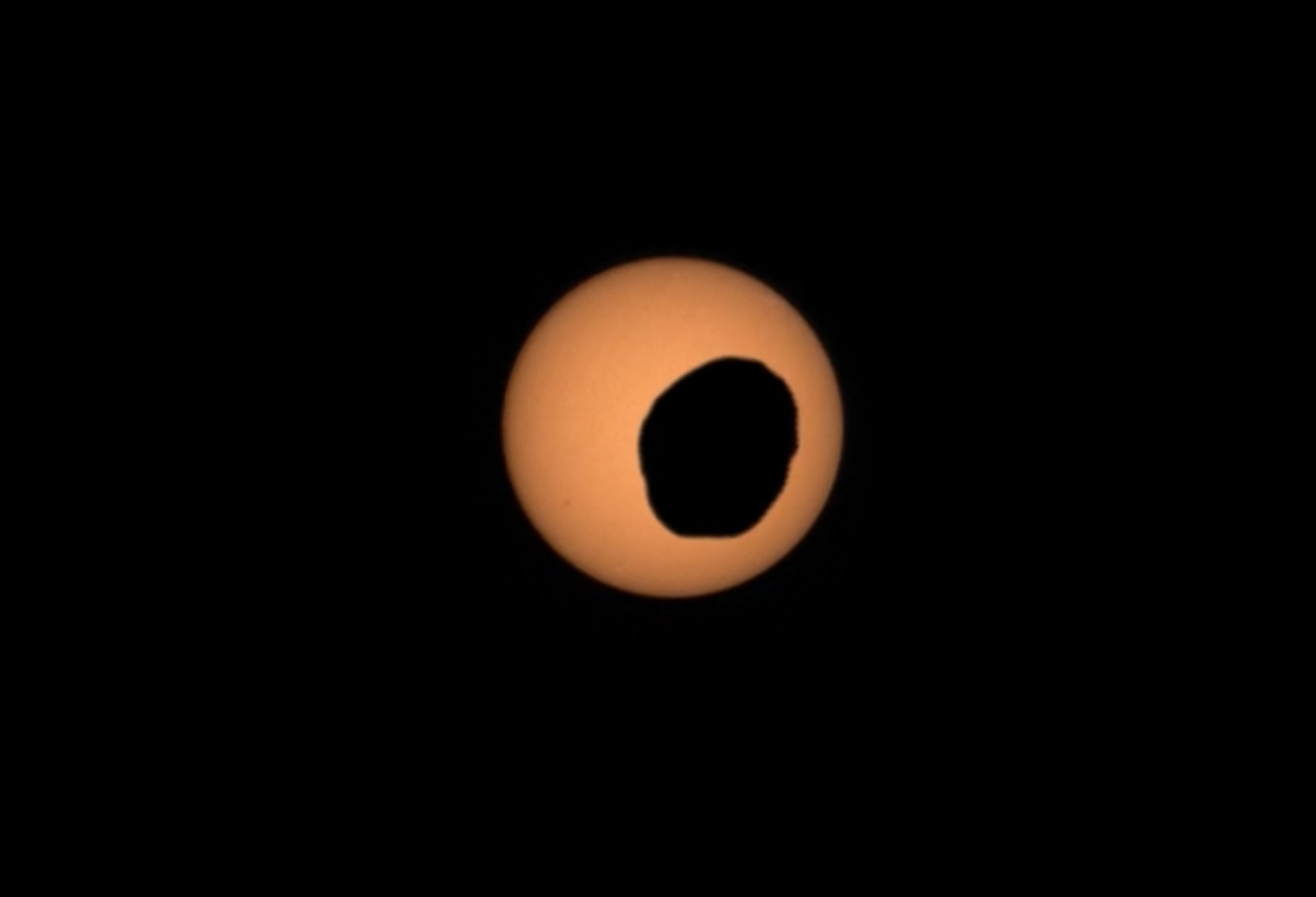
Mars's active gullies appear to be carved by seasonal carbon-dioxide frost rather than liquid water — a vivid reminder that rocky worlds can be reshaped by processes with no Earthly equivalent.
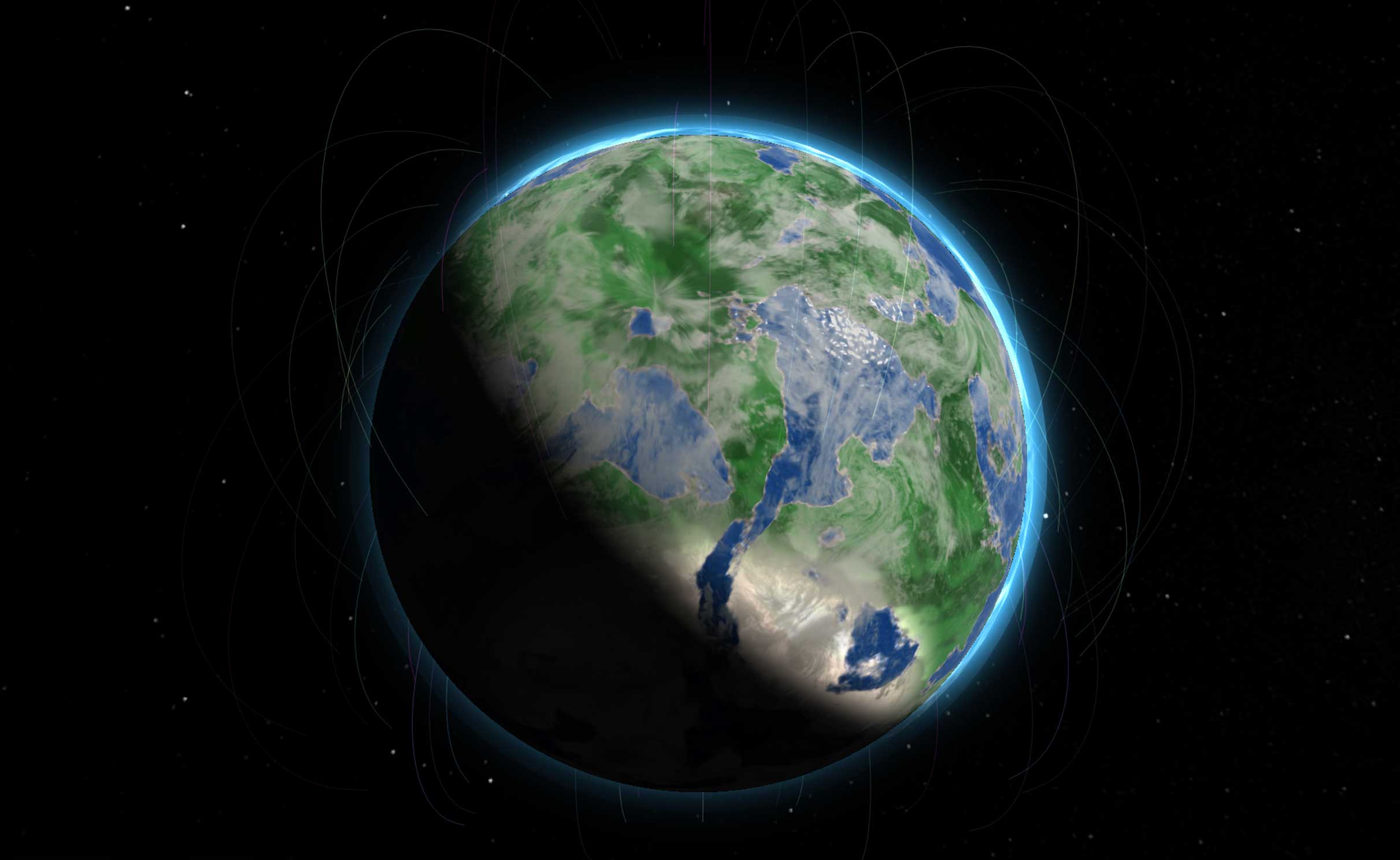
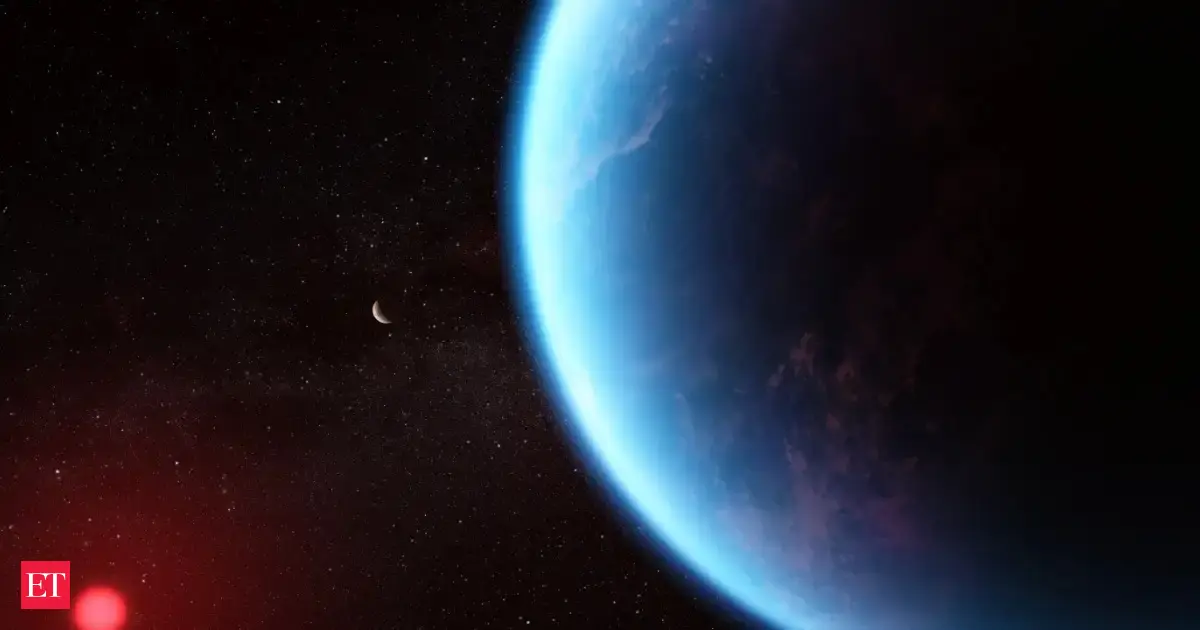
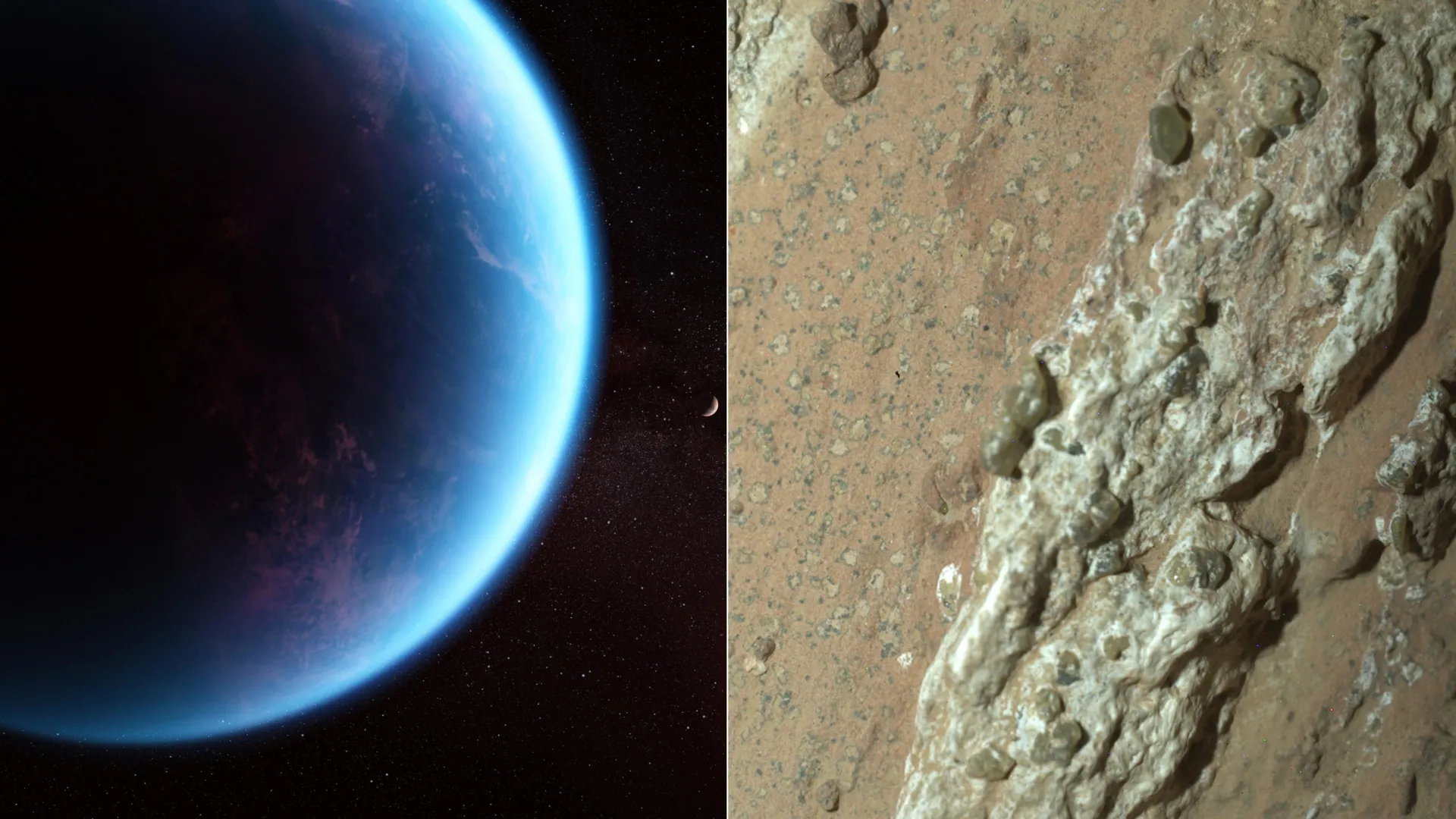
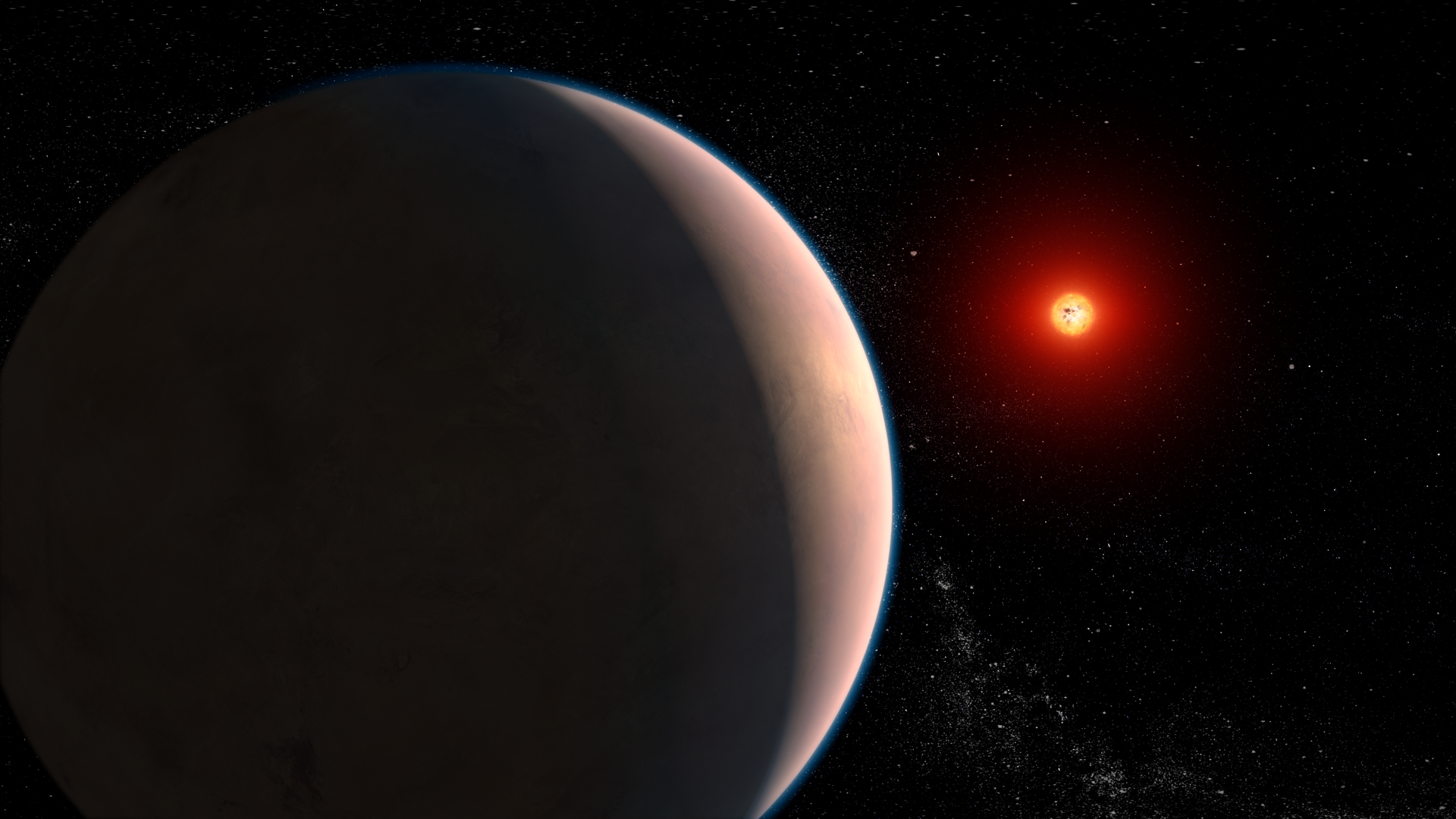
Spotting the mirror-like glint of a star off a distant sea would be the first direct evidence of surface oceans beyond the solar system, a major step toward finding genuinely Earth-like exoplanets.